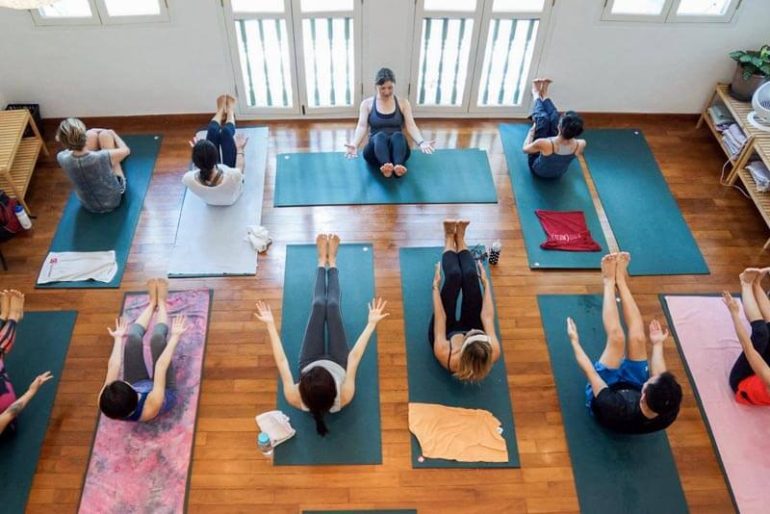
Stress, burnout, and mental fatigue are all too common in Singapore’s fast-paced city life. Between demanding work schedules, family responsibilities, and social expectations, many of us struggle to find space to breathe—literally and emotionally. When I first searched for a yoga studio near me, I was simply looking for a way to stretch out tight muscles. I never expected it to become a turning point in my mental health journey.
This isn’t just a story about exercise or flexibility—it’s a testament to how the right environment, routine, and guidance can restore peace from within.
When Anxiety Becomes a Daily Companion
At the height of my anxiety, I often felt like I was racing against time. My thoughts were constantly spiralling, my body always tense, and my sleep unpredictable. I tried everything—apps, supplements, even expensive wellness programmes—but nothing stuck. It wasn’t until I stepped into a quiet, sunlit room at a yoga studio near me that something began to shift.
That first session was a blur. I couldn’t touch my toes. I kept checking the clock. But by the end, something strange happened: I felt calm—a state I hadn’t experienced in months.
The Science Behind Yoga and Mental Health
Yoga is more than stretching and poses—it’s a mind-body intervention backed by science. Studies have shown that regular yoga practice helps reduce cortisol (the stress hormone), regulate the nervous system, and improve neurotransmitter activity linked to mood stability.
Here’s how yoga specifically supports mental health:
- Deep breathing slows the heart rate and activates the parasympathetic nervous system (rest-and-digest mode)
- Mindful movement helps release trapped tension from the body
- Present-moment awareness reduces overthinking and rumination
- Community provides a sense of connection and emotional safety
Over time, I began to feel more grounded, emotionally resilient, and in control.
Creating a Ritual of Emotional Reset
What began as a weekly drop-in class slowly transformed into a personal ritual. I didn’t just attend a session; I started to anticipate it—craving that moment of stillness where I didn’t need to perform, explain, or fix anything.
If you’re on the lookout for a yoga studio near me, choose one that offers a quiet, distraction-free space and instructors who focus on more than just the physical. A good studio encourages you to tune inward, not just stretch outward.
Listening to My Body Again
For the longest time, I had ignored my body’s signals—headaches, fatigue, irritability. Yoga taught me to pay attention again. Each pose, each breath reminded me that my body wasn’t an obstacle but an ally.
Benefits I experienced from regular practice:
- Better emotional awareness (I knew when I was pushing too hard)
- Reduced panic attacks and anxiety symptoms
- Increased patience and self-compassion
- Improved sleep and digestion
Studios such as Yoga Edition place strong emphasis on body awareness and personal pace, which are crucial for anyone dealing with emotional imbalances.
The Healing Power of Savasana
If you’ve never tried yoga, you might not realise how powerful savasana—the final resting pose—can be. It’s often only five minutes long, but it has become my favourite part of the session.
In that stillness, I’ve shed tears, processed difficult thoughts, and found moments of pure peace. No judgement. No performance. Just quiet rest. That space, held with intention by skilled instructors, has been as healing as any therapy session.
It’s Okay to Start Broken
If you’re considering trying a yoga studio near me but worry you’re “too stiff,” “too tired,” or “not spiritual enough,” let me assure you—there is no perfect starting point. You don’t need to be strong or calm to begin. You just need to show up.
Yoga accepts you exactly as you are and gently helps you uncover who you can become. Each session chips away at stress, fear, and self-doubt, revealing a version of yourself that’s lighter, steadier, and more present.
Choosing the Right Studio for Mental Wellness
Not every studio focuses on emotional wellbeing. When visiting studios, ask yourself:
- Do I feel safe and respected in this space?
- Are the instructors warm, patient, and attentive?
- Does the class structure include breathwork, intention-setting, or meditation?
- Are students encouraged to rest when needed?
A nurturing yoga studio near me is one that doesn’t push, compare, or intimidate—it invites, supports, and accepts.
Beyond the Studio Walls
What started inside the studio slowly seeped into the rest of my life. I began responding to stress with deep breaths instead of frustration. I approached challenges with more patience. I even started journaling after class—capturing thoughts, emotions, and gratitude.
Yoga became more than an escape. It became a toolkit I could carry into boardrooms, family dinners, and MRT queues.
Frequently Asked Questions
Q1: Can yoga really help with anxiety and stress?
A: Yes. Numerous studies and personal experiences support yoga as a proven method for reducing anxiety, enhancing mood, and improving emotional regulation through breath, movement, and mindfulness.
Q2: What type of class should I look for at a yoga studio near me if I want mental health benefits?
A: Look for Hatha, Yin, or gentle flow classes that focus on slower movement, breathwork, and mindfulness. Avoid intense physical styles if your goal is stress relief.
Q3: How long before I start feeling better mentally?
A: Many people feel immediate calm after their first class, but long-term benefits typically appear with consistent practice over a few weeks. Aim for 2–3 sessions per week for best results.
Q4: Is it normal to feel emotional during or after class?
A: Yes. Yoga helps release emotional tension stored in the body. It’s completely normal to feel sadness, joy, or even tears. Embrace it as part of the healing process.
Q5: I’m not flexible or fit—can I still benefit?
A: Absolutely. Flexibility is not a requirement. Yoga meets you where you are. Mental clarity and emotional balance often come long before physical progress.