Key Takeaways
When it comes to professional tree removal in Kirkland, there are detailed assessments concerning the tree’s health, size, and location. Each removal plan is crafted with safety and compliance in mind.
Safety gear, which includes chainsaws, climbing equipment, and specialized PPE, is critical to conduct a tree removal safely and effectively.
The costs associated with tree removal in Kirkland can vary based on factors like size, health, and location, meaning customized quotes are typically provided for homeowners.
Free estimates present homeowners with a chance to review costs and gain insight into the tree removal process, fostering trust between clients and service providers.
Hazardous trees often display signs such as dead branches, leaning, root instability, and fungal growth, all of which point to the need for urgent removal to mitigate risks.
Severe weather can threaten tree health, making it essential to pursue professional inspections post-storm to evaluate potential liabilities.
After a tree has been removed, homeowners can rejuvenate their landscapes by replanting or establishing flower beds, always with an eye on soil health for future growth.
What Does Professional Tree Removal Entail in Kirkland?
Steps Involved in the Tree Removal Process
Tree removal in Kirkland is more than just cutting down and clearing away a tree. There’s a systematic process involved, which prioritizes safety, property protection, and compliance with environmental regulations. First up, an expert will conduct a meticulous assessment of the tree’s location, health, and size — it’s not a casual examination, more like a comprehensive investigation, accounting for the surrounding environment and potential hazards.
Once the evaluation is complete, a detailed plan for removal is created. Depending on proximity to structures, strategies may differ significantly. The actual removal work then commences. In some cases, climbing gear is vital for taller trees, while boom lifts may be needed for larger specimens. The tree is cut down in sections, starting from the top, ensuring the ground remains safe and tidy. By the end of the operation, wood chips or logs may either be repurposed as mulch or entirely cleared from the site.
- Initial assessment of the tree
- Creation of a tailored removal plan
- Safe tree cutting procedures
- Debris cleanup and site restoration
Equipment Used by Experts for Safe Removal
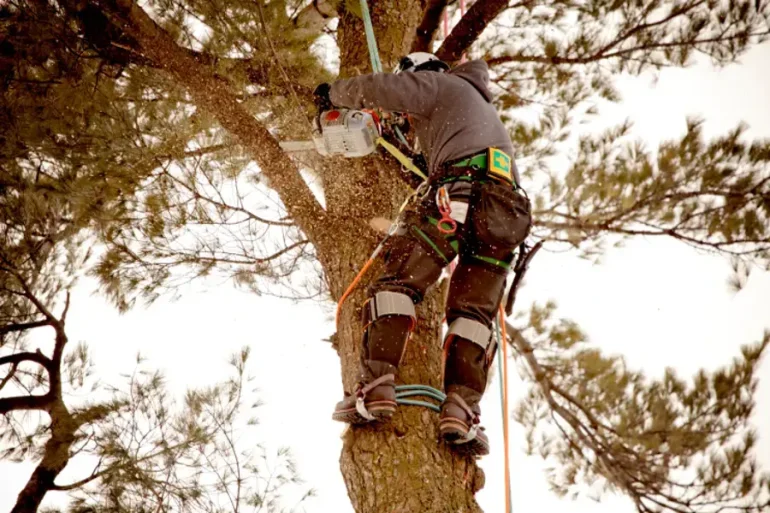
The equipment leveraged in tree removal is crucial for ensuring a smooth operation. Kirkland tree removal professionals utilize a variety of tools designed specifically for both safety and efficiency. Chainsaws, pruners, and chippers are foundational, but climbing equipment and ropes allow experts to navigate high branches securely. Specialized PPE, including helmets, gloves, and eye protection, is absolutely essential – these safety measures are critical in this field.
Heavy machinery, such as stump grinders and wood chippers, often plays a key role. Stump grinders facilitate the complete removal of tree remnants, preparing the area for new planting or other landscaping uses. Wood chippers convert branches into manageable mulch. The ultimate goal is clear: creating a safe, clean space for homeowners once the tree removal has been finalized.
Tree removal isn’t merely about cutting. It’s a complex endeavor that demands expertise and the correct tools.
Cost Factors for Tree Removal Services: What to Expect
Understanding Pricing Structures in the Tree Care Industry
Costs for tree removal can differ quite a bit. The pricing framework generally hinges on numerous factors. To start, the size and species of the tree are principal considerations. Larger trees tend to present greater challenges, leading to higher costs. And then there’s the location. Trees that are close to power lines or nearby structures require extra caution during removal, which can drive up the price.
The tree’s condition is another important consideration. Is it in good health, or is decay present? The more complex the removal, the more resources and time it will take. Professionals don’t aim for a “one size fits all” approach when determining pricing. Rather, homeowners can anticipate personalized quotes tailored to their unique situations.
- Tree size and species
- Location relative to structures
- Condition of the tree
- Access to the work site
Are Free Estimates Really Beneficial?
While free estimates are a common offering, they serve a purpose beyond mere sales strategy. For homeowners, this practice provides a valuable chance to assess potential costs and weigh options. During these estimates, professionals can assess unique situations and provide tailored quotes, leading to transparent pricing. Importantly, this process builds trust between the homeowner and the service provider. Clients often appreciate the opportunity to ask questions and better understand the complexities of tree removal.
In Kirkland, the experts at Eastside Tree Works not only furnish estimates but also educate customers about the full process. What could be more reassuring than that? Knowledge enables homeowners to make informed decisions, ensuring they invest wisely in their property’s health.
Common Scenarios That Require Tree Removal in Kirkland
Signs Indicating a Tree is Hazardous
Tree removal often occurs for more than just aesthetic purposes. In numerous instances, hazardous trees pose significant risks. Homeowners should familiarize themselves with several warning signs indicating tree failure. Among the most critical red flags are dead branches or considerable decay, as these conditions jeopardize the tree’s overall stability.
Leaning or uneven growth is another cause for concern. Trees tilting unexpectedly could be on the brink of falling, particularly during unpredictable weather events. Ground-related indicators, like exposed roots or soil erosion, raise additional alarms. It’s crucial for homeowners to respond quickly when these warning signs arise.
- Dead or decaying branches
- Leaning trees
- Root instability or soil erosion
- Fungal growth at the base
Impact of Storm Damage on Tree Health
Storm damage has the potential to turn a seemingly healthy tree into a risky liability. High winds, torrential rain, or heavy snow can snap branches or uproot roots, leading to immediate concerns. Following such incidents, a comprehensive inspection is essential. Sometimes, trees may appear unscathed but could be harboring internal damage. A professional evaluation helps determine whether the tree remains viable or if removal is the best course of action.
Evaluating trees post-storm can protect property and lives – never underestimate its importance.
Maintaining Your Landscape Post-Tree Removal
Best Practices for Filling the Void
Once a tree has been removed, homeowners face the question of how to fill the resulting gap in their landscape. So, what options are available? This space can be revitalized with new landscaping ideas. Many clients choose to replant trees, while others might opt for colorful flower beds or decorative stones that add lasting charm. The opportunities for creativity are virtually endless.
When it comes to replanting, caring for soil health is paramount. Amending soil can boost future plantings, setting a fertile stage for growth. Some homeowners prefer quick-growing perennials that will yield beautiful blooms in future seasons. Others may want to plant trees that are well-suited to the local environment, ensuring successful growth.
- Consider aesthetic options: flowers, shrubs, or decorative elements
- Focus on soil amendments for future plants
- Select suitable trees for replanting
Long-Term Tree Care After Removal
Implementing a long-term tree care strategy can yield significant benefits. This isn’t limited to the act of planting new trees; it also includes ongoing maintenance practices. Conducting regular evaluations after replanting is essential for achieving success. Homeowners should be on the lookout for signs of pests or disease impacting their new trees.
Setting up an irrigation schedule is another fundamental component. Newly planted trees require adequate water, especially given Kirkland’s variable climate. Gaining insight into local species that thrive in the region contributes to a healthy landscape. Tree care extends well beyond the removal process; it encompasses the nurturing of new life taking root.
- Routine checks for pests or diseases
- Establish a watering schedule
- Research local species for optimal growth
FAQ
How can homeowners determine if they need tree removal?
Clients should be on the lookout for specific indicators such as dead branches, leaning trees, and root instability. These signs frequently indicate that a tree could pose risks, warranting immediate professional evaluation.
What happens to the tree after it’s removed?
Following removal, the tree can be handled in various ways. Experts might transform it into mulch with wood chippers, or there’s the option of turning the logs into firewood, supplying homeowners with useful materials for future needs.
Are there regulations surrounding tree removal in Kirkland?
Indeed, Kirkland has regulations that govern tree removal, particularly for trees exceeding certain heights or ages. Homeowners should check local ordinances and may need to acquire permits before proceeding with removal to ensure compliance.
What’s the best time of year for tree removal?
Generally, the ideal time for tree removal falls during late fall or winter when the trees are dormant. This timing facilitates safer and more efficient removal, minimizing stress on surrounding plants and allowing the landscape to recuperate before spring.
Can homeowners replace a removed tree immediately?
While it’s feasible to plant a new tree right after removal, professionals often recommend waiting for the ground to settle first. This strategy enhances overall soil health and increases the likelihood of successful new growth.
Is tree trimming needed after a removal?
Trimming nearby trees can be beneficial, especially if those trees are competing for sunlight. Proper maintenance following a removal helps ensure the remaining trees thrive and maintains a balanced landscape.
How should homeowners evaluate tree care services?
Clients are encouraged to seek professionals who have solid reputations, relevant certifications, and experience in tree removal. Additionally, reading customer reviews and seeking referrals can provide invaluable insights into the quality of service.
What ongoing maintenance is recommended after planting new trees?
Regular monitoring for pests and diseases is essential post-planting. Establishing a consistent watering schedule and understanding the specific needs of local species will bolster the health and growth of newly planted trees.
Useful Resources
- Arbor Day Foundation– An organization dedicated to tree planting and forestry education.
- International Society of Arboriculture– Offers resources and education on arboriculture, including tree care and safety.
- eXtension– A research-based source for information on horticulture and tree care practices.
- Tree Research and Education Endowment Fund– Provides educational resources regarding tree health and management.
- S. Forest Service– Supplies information about forest management, including practices around tree care and removal.
- National Credit Union Foundation – Urban Forestry– Focuses on tree care education and urban forestry initiatives.
- Penn State Extension– Delivers comprehensive guides and educational materials on tree maintenance and care.
- Trees Are Good– A site committed to tree care and the significance of trees in the environment, managed by ISA.