Why Skin Health Deserves More Attention Than It Gets
Skin is often treated as something purely cosmetic, but it plays a much bigger role in overall health. It acts as a barrier, protecting the body from environmental factors like bacteria, pollution, and UV exposure. When the skin is not functioning properly, it can signal deeper issues that should not be ignored.
Many people only seek help when something becomes visibly concerning. A rash that will not go away, persistent acne, or unusual spots tend to push people toward action. What is often overlooked is that consistent care and early attention can prevent many of these concerns from escalating.
Skin as a reflection of internal health
Changes in the skin can sometimes point to underlying health conditions. Issues such as hormonal imbalances, autoimmune disorders, or nutritional deficiencies may show up through breakouts, discoloration, or texture changes. This connection makes skin care more than just surface level maintenance.
Dermatology professionals are trained to recognize these patterns. They look beyond the immediate concern to understand what may be contributing to it. This broader perspective helps create treatment plans that address both symptoms and root causes.
Everyday habits that influence skin condition
Daily routines have a direct impact on skin health. Sun exposure, hydration, diet, and stress all play a role in how skin looks and feels. Even small habits, like how often you cleanse or what products you use, can make a difference over time.
Consistency is often more important than complexity. Simple, well-chosen routines tend to be more effective than constantly changing products. Understanding how your skin responds to different factors is a key part of maintaining balance.
What Modern Dermatology Actually Covers
Dermatology has evolved far beyond basic treatments for acne or rashes. Today, it includes a wide range of medical, surgical, and cosmetic care. This expanded scope allows people to address both health concerns and aesthetic goals in a structured way.
Professional dermatology services now combine clinical expertise with advanced technology. This approach helps create treatments that are both effective and tailored to individual needs. It also makes it easier to address multiple concerns within a single care plan.
Medical dermatology and chronic conditions
Medical dermatology focuses on diagnosing and treating conditions that affect the skin, hair, and nails. These can include eczema, psoriasis, rosacea, and more complex disorders. Managing these conditions often requires ongoing care rather than one-time treatments.
Consistency and monitoring are important in these cases. Dermatologists track how the condition responds to treatment and make adjustments as needed. This helps maintain control and improve quality of life over time.
Cosmetic treatments and skin renewal
Cosmetic dermatology is centered on improving the appearance of the skin. Treatments such as chemical peels, laser therapy, and injectables are designed to address concerns like fine lines, uneven tone, and texture. These procedures are often minimally invasive and require little downtime.
While cosmetic treatments focus on appearance, they also support skin health. By encouraging cell turnover and collagen production, they help the skin function more effectively. This dual benefit makes them appealing to a wide range of people.
Understanding Treatments That Go Beyond the Surface
Many dermatology treatments are designed to work beneath the outer layer of the skin. This is where real change happens, as deeper layers are responsible for structure and regeneration. Understanding how these treatments work helps set realistic expectations.
Results often take time to appear. While some improvements can be seen quickly, lasting changes develop gradually. This process reflects how the skin naturally renews itself.
How exfoliation treatments support renewal
Professional exfoliation treatments help remove dead skin cells that build up over time. This process allows new cells to surface, creating a smoother and more even appearance. It also improves how the skin absorbs products.
These treatments are carefully controlled to avoid irritation. Dermatologists adjust the strength and frequency based on individual skin types. This ensures that the process supports renewal without causing damage.
Collagen and long term skin strength
Collagen is a key component of healthy skin. It provides structure and elasticity, helping the skin maintain its shape. As people age, collagen production naturally decreases, leading to changes in texture and firmness.
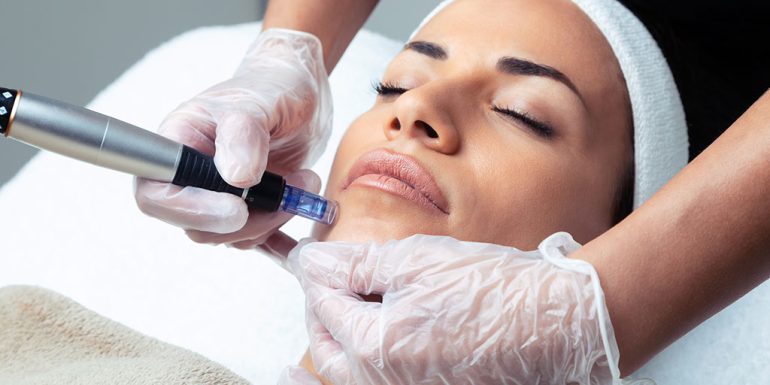
Many dermatology treatments are designed to stimulate collagen production. This includes procedures like microneedling and certain types of laser therapy. Over time, increased collagen can improve both appearance and resilience.
Choosing the Right Approach for Your Skin
There is no single solution that works for everyone. Skin types vary, and so do individual concerns. This is why personalized care is such an important part of dermatology.
Working with a professional allows for a more tailored approach. Instead of guessing which products or treatments might work, people can rely on expert guidance. This often leads to better and more consistent results.
The value of a professional consultation
A consultation provides an opportunity to assess the skin in detail. Dermatologists consider factors such as tone, sensitivity, and medical history. This information helps them recommend appropriate treatments.
Consultations also allow for open discussion. People can share their goals, concerns, and past experiences. This dialogue helps create a plan that feels both realistic and achievable.
Building a routine that actually works
A good skincare routine does not need to be complicated. In many cases, a few well-chosen products are enough to support healthy skin. The key is consistency and proper use.
Dermatologists often recommend routines that balance cleansing, hydration, and protection. Adjustments can be made over time as the skin changes. This flexible approach helps maintain long term results.
Common Skin Concerns and How They Are Managed
Skin concerns vary widely, but many share common patterns. Acne, pigmentation, and signs of aging are among the most frequently addressed issues. Each requires a different approach, but all benefit from professional guidance.
Understanding how these concerns develop helps people make informed decisions. It also reduces the frustration that can come from trial and error.
Managing acne at different stages of life
Acne is often associated with adolescence, but it can occur at any age. Hormones, stress, and lifestyle factors all contribute to breakouts. Treatment plans are usually tailored to the severity and underlying causes.
Dermatologists may recommend topical treatments, oral medications, or procedures depending on the situation. The goal is to reduce inflammation, prevent new breakouts, and support healing. With the right approach, most people see noticeable improvement.
Addressing uneven tone and texture
Uneven skin tone can result from sun exposure, inflammation, or aging. It often appears as dark spots, redness, or patchy areas. Texture concerns may include roughness or visible pores.
Treatments for these issues often involve a combination of approaches. Chemical exfoliation, targeted therapies, and consistent sun protection all play a role. Over time, these strategies help create a more balanced appearance.
The Role of Preventative Care in Dermatology
Preventative care is one of the most effective ways to maintain healthy skin. Instead of waiting for problems to develop, it focuses on protecting and supporting the skin over time. This approach often leads to better outcomes.
Simple habits can make a significant difference. Protecting the skin from sun damage, staying hydrated, and using appropriate products all contribute to long term health.
Why sun protection is essential
Sun exposure is one of the leading causes of skin damage. It contributes to premature aging, discoloration, and increased risk of serious conditions. Protecting the skin from UV rays is a daily necessity.
Using sunscreen regularly helps reduce these risks. It also supports the effectiveness of other treatments. Consistent protection is one of the easiest ways to maintain healthy skin.
Regular checkups and early detection
Routine visits to a dermatologist can help identify issues early. This includes monitoring changes in moles or detecting conditions before they become more serious. Early detection often leads to simpler and more effective treatment.
Checkups also provide an opportunity to adjust care plans. As skin changes over time, treatments and routines may need to be updated. Staying proactive helps maintain balance and confidence.
Finding Confidence in Your Skin Over Time
Healthy skin is not about perfection, it is about balance and care. Changes are a natural part of life, and the goal is to support the skin as it evolves. With the right approach, it is possible to maintain both health and confidence.
Professional guidance can make this journey smoother. It provides clarity, reduces guesswork, and helps people feel more in control of their choices. Over time, this leads to better outcomes and a stronger sense of confidence.
Investing in your skin is not just about appearance. It is about understanding how your body responds and giving it the support it needs. With consistent care and informed decisions, healthy skin becomes something that feels natural and sustainable.