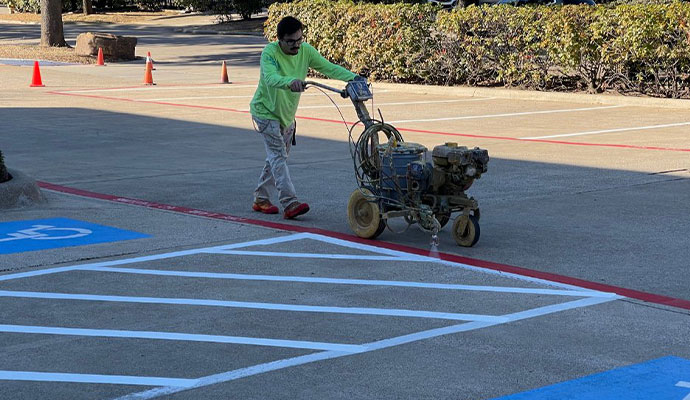
Why First Impressions Matter: The Psychology of a Well-Striped Parking Lot
Creating a Welcoming Environment for Customers
When a customer drives into a parking lot, their first encounter with a business sets the tone for their experience. A well-maintained parking lot with clear, professional striping creates a welcoming environment that signals to potential customers that the business values quality and attention to detail. This initial impression can be a deciding factor in whether a customer chooses to enter a store or opt for a competitor down the street. A clean, organized space not only enhances the visual appeal but also instills confidence in the quality of products or services offered. Striping serves as a critical indicator of a business’s operational standards, often contributing to an inviting atmosphere that keeps customers coming back.
The Impact of Visual Aesthetics on Business Perception
Visual aesthetics play a crucial role in shaping perceptions and influencing consumer behavior. Research indicates that aesthetics can significantly affect how services and products are rated, as well as the likelihood of customers returning. When parking lot striping is executed with precision, using vibrant, high-contrast colors that are easy to read, it transforms the overall perception of a business. Such professionalism in appearance indicates that a company pays attention to every aspect of their customer experience. Furthermore, it establishes brand identity; colors and designs can become part of a business’s unique image, aiding in differentiation from competitors. Businesses that recognize the importance of such aesthetic considerations typically enjoy stronger brand loyalty and customer satisfaction.
How Parking Lot Organization Enhances Safety and Flow
A strategically striping parking lot not only enhances visual appeal; it also greatly contributes to safety and traffic flow. Organized parking helps reduce confusion, minimizes risky situations, and decreases the likelihood of accidents. Clear lane markings, designated pedestrian walkways, and correctly placed stop signs help establish an orderly system that guides both drivers and pedestrians. With the right organization, businesses can create a seamless experience that alleviates anxiety for their customers while navigating the parking area. Additionally, incorporating specific layouts, such as angled parking, can maximize space usage, allowing more vehicles to park comfortably while still enabling a smooth exit from the lot. Prioritizing safety through effective striping is not only essential for customer wellbeing but can also protect businesses from liability issues stemming from accidents.
Striping Services 101: Understanding the Art and Science Behind It
Choosing the Right Materials: Paint Types and Durability
The selection of materials used in parking lot striping is fundamental to achieving long-lasting results. Different types of paint and marking materials come with varying qualities and durability. The two most commonly used types of paint for parking lot striping are water-based and solvent-based paints. Water-based paints are often favored for their ease of application and low environmental impact, but they may not have the longevity of solvent-based alternatives, which offer more durability and flexibility in extreme weather conditions. Furthermore, thermoplastic striping is another popular choice due to its enhanced durability and brightness, making it visible even in low-light situations. Business owners must discuss durability expectations with stripe professionals, ensuring they choose products that align with their long-term maintenance goals and regional climate factors.
Designing an Effective Layout: Beyond Basic Lines
A well-designed parking lot layout goes beyond simple lines. It encompasses an understanding of user behavior, space optimization, and aesthetic appeal. Factors such as the size of the lot, typical vehicle traffic patterns, and pedestrian access must be taken into account when designing an effective layout. For example, integrating islands or medians can help reduce speeding traffic and improve safety. Furthermore, implementing sections for electric vehicle charging, designated accessible spaces, and areas for bicycles not only maximizes space effectiveness but also caters to the diverse needs of customers. Navigational signage and clearly defined entrances and exits should also be included in the layout to guide traffic fluidly and ensure a positive user experience.
Seasonal Considerations: Timing Your Striping for Maximum Impact
The timing of parking lot striping can dramatically impact the effectiveness and durability of the job. Weather conditions play a vital role; warmer months typically allow for quicker drying times and better adhesion of paint. Conversely, striping in colder or wetter months can lead to premature wear or ineffective applications. Additionally, planning for peak times of business activity is crucial. It is often advisable to schedule striping projects during off-peak hours or during slow seasons to minimize operational disruptions. This not only ensures a quality finish but also allows time for lines to set properly without interference. Moreover, revisiting and refreshing stripe work regularly can help maintain the aesthetic appeal and ensure that markings remain visible and functional.
Beyond Looks: The ROI of Investing in Professional Striping Services
Reducing Liability: How Proper Markings Prevent Accidents
Investing in professional parking lot striping represents a significant return on investment (ROI) due to its practical implications for liability reduction. Clear, well-defined markings help to regulate vehicle and pedestrian traffic, reducing the potential for accidents. In fact, poorly marked lots are often cited in litigation surrounding accidents and injuries, which can lead to substantial financial repercussions for businesses. By proactively ensuring safety through strategic striping, businesses can mitigate the risk of legal claims. This not only protects the company’s financial interests but also demonstrates a commitment to customer wellbeing, enhancing the brand’s reputation in the eyes of the public. Property owners and managers must understand that the cost of striping pales in comparison to the potential expenses related to accidents.
Boosting Business: The Connection Between Appearance and Sales
The connection between a well-maintained parking lot and boosted sales is crystal clear. Studies indicate that consumers are more inclined to spend in businesses that present an organized, visually appealing environment. Your parking lot serves as a customer’s first encounter with your business—if it appears neglected, customers may perceive that the same neglect extends to the inside of the establishment. The inverse is true: when a parking lot is freshly striped and orderly, it translates to an enhanced shopping experience, encouraging customers to enter and, ultimately, make a purchase. Enhancing the overall aesthetics of a business not only fosters positive consumer sentiment but also builds trust and loyalty, encouraging repeat business over time.
Long-Term Savings: Maintenance Considerations and Cost-Effectiveness
Maintaining a professionally striped parking lot is a cost-effective strategy for long-term savings. A significant advantage of investing in professional striping services is the reduced need for frequent touch-ups when high-quality materials and skilled application are employed. With proper care and routine maintenance, parking stripes can last longer, which translates to fewer investments in frequent re-stripping. Regular inspections for wear and tear, combined with maintenance strategies such as pressure washing and cleaning, can contribute to extended durability and retention of the visual quality of striping. When appropriately managed, the initial investment in professional striping can lead to compounded savings over time, ultimately enhancing the bottom line.
The Striping Process: What to Expect When Hiring a Pro
Initial Consultation: Assessing Your Needs and Space
The journey toward a rejuvenated parking lot begins with the initial consultation. A professional striping service will typically conduct a thorough assessment of your current parking space, discussing your needs, preferences, and any specific challenges the lot may pose. This conversation serves not only to understand your expectations but also to provide insights into the best practices specific to your property. Importance will be placed on understanding traffic patterns, peak times, and any existing issues like faded lines or poorly organized space. Effective communication between the client and the striper is essential for ensuring the final product aligns with the business’s vision and strategic goals. This preliminary phase is crucial as it lays the groundwork for a successful striping project.
The Striping Procedure: A Step-by-Step Breakdown
Upon agreement of the plan, the striping project proceeds through several steps. Initially, the area will be prepared, often involving cleaning and any necessary repairs to the substrate. This preparation stage ensures that the surface is ready for optimal paint adhesion and longevity. Next, guidelines and templates will be mapped out according to the agreed-upon design, ensuring accuracy before any paint is applied. Following this, quality paint is applied uniformly, often using professional-grade equipment to guarantee precision and a smooth finish. Finally, there will be a drying period during which the lot must remain closed to traffic, after which quality control checks will be conducted to ensure all markings meet the standards specified in the consultation. Comprehensive documentation and communication throughout this process guarantee that clients remain informed and satisfied.
Aftercare and Maintenance: Keeping Your Lot Looking Great
After a successful striping session, maintaining the quality of the lot becomes the next priority. Professional striping services often provide aftercare guidelines tailored to the specific materials used and environmental conditions. Regular cleaning, avoiding harsh chemicals, and promptly fixing any damages like cracks or fading will extend the lifespan of the markings. Periodic inspections should be conducted to ensure visibility remains optimal and to address any necessary touch-ups before they require comprehensive re-striping. Additionally, adjusting cleaning practices to enhance preservation, such as using a pressure washer periodically, will help maintain a clean and professional look. Keeping up this routine not only preserves the initial investment but also contributes to continued customer satisfaction and safety.
FAQ
Question: How often should parking lot striping be refreshed? – It is generally recommended to refresh parking lot striping every 1-2 years, depending on factors such as traffic volume and weather conditions that can affect the visibility of the markings.
Question: What are the key benefits of using professional striping services versus DIY options? – Professional striping services offer expertise, quality materials, and compliance with local regulations, ensuring that the lines are not only aesthetically pleasing but also functional and durable compared to DIY efforts.
Question: Can parking lot striping help with environmental considerations? – Yes, using eco-friendly, water-based paints for striping can minimize environmental impact while providing visibility and durability, aligning with sustainability goals for many businesses.
Question: What factors should be considered when designing an effective parking lot layout? – Consideration should include traffic flow, user behavior, safety zones, accessibility for all customers, designated areas for electric vehicle charging, and the need for clear signage.
Question: How does effective striping reduce accidents in parking lots? – Properly marked lanes, pedestrian pathways, and signage regulate traffic flow, clarify right-of-way, and help establish safe navigational routes for drivers and pedestrians, significantly reducing accident risks.
Question: What types of paint are best for parking lot striping, and why? – Solvent-based paints are favored for their longevity and flexibility in various weather conditions, while thermoplastic striping offers enhanced durability and visibility, especially in low-light situations.
Question: How can seasonal weather affect the striping process? – Cold or wet weather can hinder paint adhesion and lead to premature wear; therefore, it is best to schedule striping during warmer months when conditions allow for optimal application and drying time.
Question: What steps are involved in the parking lot striping process? – The process typically includes an initial assessment, preparation of the surface, application of guidelines, painting, and quality control checks, followed by a recommended drying period before reopening the lot to traffic.
Useful Resources
- Naples Striping
- Pavement Group
- Asphalt Institute
- Pavement Maintenance Association of Georgia
- National Striping Services
- The Pavement Network
- Federal Highway Administration
- S. Environmental Protection Agency