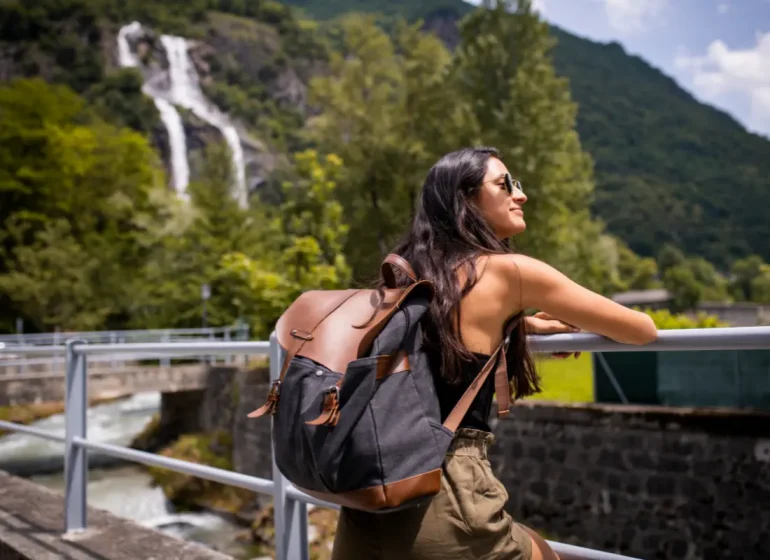
Solo travel offers independence, flexibility, and opportunities for deep personal discovery. Traveling alone allows individuals to explore destinations at their own pace while developing confidence and awareness. However, safety preparation plays a crucial role in making solo journeys enjoyable and stress free.
With the right planning habits and awareness strategies, solo travelers can explore new places confidently while minimizing risks.
Why Solo Travel Requires Extra Safety Awareness
Traveling alone means managing decisions independently. Without companions nearby, preparation becomes essential for handling unexpected situations.
Solo travelers benefit from:
- Increased situational awareness
- Better planning habits
- Stronger decision making skills
- Confidence in unfamiliar environments
Safety awareness helps travelers enjoy experiences without unnecessary stress.
Research Your Destination Before Departure
Understanding a destination in advance improves safety significantly.
Before traveling, learn about:
- Local transportation systems
- Cultural expectations and customs
- Safe and unsafe neighborhoods
- Emergency contact numbers
- Weather conditions during travel dates
Reliable preparation reduces confusion after arrival and helps avoid risky situations.
Choose Accommodation in Safe Locations
Accommodation location strongly influences travel safety.
Select places that:
- Are close to public transport
- Have positive recent reviews
- Offer secure entry systems
- Provide 24 hour reception support
- Are located in well populated areas
Avoid isolated areas unless thoroughly researched.
Share Travel Plans With Trusted Contacts
Keeping someone informed about travel details adds an extra layer of safety.
Share information such as:
- Accommodation address
- Travel itinerary
- Transport schedules
- Emergency contact updates
Regular communication reassures family members and ensures support is available if needed.
Stay Aware in Public Spaces
Public areas are usually safe but require attention.
Helpful habits include:
- Avoid displaying expensive valuables
- Stay alert in crowded transport hubs
- Keep bags securely positioned
- Trust instincts in unfamiliar situations
Awareness reduces chances of theft and confusion.
Keep Important Documents Secure and Accessible
Documents are essential for smooth travel experiences.
Carry:
- Passport copies
- Identification cards
- Travel insurance details
- Emergency contact numbers
Store originals safely and keep digital backups on secure devices.
Use Reliable Transportation Options
Choosing safe transport improves confidence while traveling alone.
Prefer:
- Registered taxis
- Verified ride services
- Official airport transport counters
- Trusted public transit systems
Avoid accepting rides from unknown individuals offering assistance unexpectedly.
Stay Connected With Mobile and Internet Access
Connectivity supports navigation, communication, and emergency assistance.
Recommended actions include:
- Purchasing a local SIM card
- Saving offline maps
- Keeping a portable charger available
- Storing emergency contacts digitally
Being reachable improves safety and flexibility.
Dress Appropriately for Local Culture
Respecting local customs helps travelers blend into surroundings more comfortably.
Research clothing expectations to:
- Avoid attracting unnecessary attention
- Show cultural respect
- Increase personal comfort in public spaces
Adapting to local norms often improves interactions with residents.
Trust Your Instincts During Travel Decisions
Intuition plays an important role in personal safety.
If something feels uncomfortable:
- Leave the area
- Change routes
- Seek help from official authorities
- Move toward crowded public locations
Confidence grows when travelers listen to their judgment.
Keep Emergency Preparedness Simple and Practical
Preparing for unexpected situations strengthens travel confidence.
Carry essentials like:
- Basic medical supplies
- Emergency cash reserve
- Contact details of local authorities
- Copies of identification
Simple preparation supports quick responses when needed.
Build Confidence Through Gradual Solo Travel Experience
First time solo travelers benefit from starting with shorter trips before attempting longer international journeys.
Early experiences help travelers:
- Understand personal comfort levels
- Improve planning habits
- Learn navigation strategies
- Develop independence gradually
Confidence grows naturally with experience.
FAQ Section
What is the safest way to start solo traveling for beginners
Start with destinations that have strong tourist infrastructure and reliable transport systems. Short trips help build confidence before planning longer journeys.
How can solo travelers manage language barriers safely
Use translation applications, learn basic local phrases, and carry accommodation details written in the local language.
Is travel insurance necessary for solo travelers
Travel insurance provides financial protection during medical emergencies, trip cancellations, or lost belongings and is strongly recommended.
How can solo travelers avoid common scams abroad
Research common scams in advance, avoid sharing personal details with strangers, and rely on official transport services.
Should solo travelers carry emergency cash
Keeping a small reserve of emergency cash helps handle unexpected situations where digital payments may not work.
What is the best time of day for solo sightseeing
Daytime exploration is generally safer, especially in unfamiliar areas. Evening activities should be planned in well populated locations.
How can solo travelers stay confident during their trip
Preparation, awareness, and staying connected with trusted contacts help travelers remain calm and confident throughout their journey.