Key Takeaways
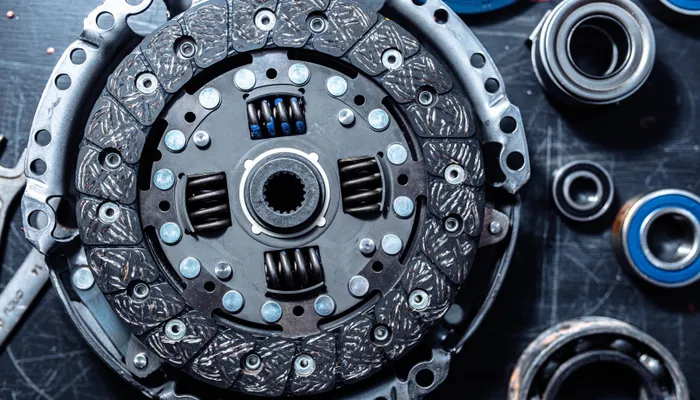
Industrial clutch parts are essential for keeping heavy machinery running smoothly. They manage the power flow between the engine and drivetrain, and when they fail, you’re looking at serious downtime and hefty repair bills.
Believe it or not, about 80% of clutch failures are due to poor maintenance. This just highlights why regular inspections and ongoing care are absolutely crucial.
You need to know that not every clutch is created equal. Different machines have unique needs, debunking the myth that one size fits all.
Symptoms of clutch wear can include slipping, strange noises, or trouble engaging gears. Catching these issues early is key; ignoring them can lead to expensive repairs down the road.
Scheduled maintenance is pivotal for ensuring the longevity of your clutches. Regular checks can help avoid unexpected shutdowns and boost the performance of your machinery.
While OEM clutch parts tend to offer greater reliability due to their specific design, aftermarket parts can sometimes be cheaper but may vary in quality.
Proper installation is also crucial. It involves careful alignment and sufficient lubrication—both are essential to prevent failures in clutch performance later on.
The Unsung Heroes: Why Industrial Clutch Parts Matter
Understanding the Role of Clutches in Heavy Machinery
It’s all too easy to overlook industrial clutch parts when talking about heavy machinery. They operate quietly behind the scenes, managing the power transfer between the engine and drivetrain. But let me tell you: when these parts fail, your operation can come to a complete standstill. I remember when I first got involved in this field; I had no clue just how critical they are. Clutches are truly the unsung heroes, enabling equipment like bulldozers and cranes to engage and disengage seamlessly.
Heavy machinery faces harsh conditions. Dust, moisture, and heavy loads constantly put clutches to the test. A surprising study found that around 80% of clutch failures can be attributed to poor maintenance. That’s a staggering figure! One moment of complacency, when you think everything’s fine, can lead to astronomical repair bills.
Common Myths about Industrial Clutch Parts
Let’s clear up some common myths. First off, many folks think all clutches are the same. Wrong! I’ve seen enough to know that different machinery demands specific clutch solutions. And that “one size fits all” myth? It doesn’t hold water. Then, there’s the belief that clutch problems only surface when you’ve worn something down. That’s not the case! Overheating or improper installation can lead to failures before you even notice wear.
And let’s talk about the notion that aftermarket parts are just as good as OEM. Sure, they might look like a steal, but they often come with their own set of issues. Ever tried cutting corners with parts on a job site? It’s like inviting trouble. When it comes to clutch parts, invest wisely. Your machine will be grateful.
How to Identify Wear and Tear Before It’s Too Late
Signs Your Clutch Parts Need Immediate Attention
- Slipping during operation.
- Unusual noise from the transmission.
- Difficulty engaging gears.
- Increased heat in the clutch.
Keep an eye on these signs. If you overlook them, you run the risk of catastrophic failure. And I can assure you, the cost to repair or replace a clutch isn’t featherweight.
Scheduled Maintenance: The Key to Longevity
I can’t emphasize enough how scheduled maintenance can truly spare you headaches later. Conduct regular checks on your clutch parts; it really can make all the difference for their lifespan. Think of it like this: if you’re not proactive, you’ll end up being reactive. Waiting for something to fail before taking action is just begging for trouble. Trust me, I’ve learned that lesson the hard way more times than I care to admit.
Set up a checklist. Inspect your clutches every three months, especially if you’re dealing with workhorse machinery. Make it a habit to check fluid levels and change them as needed. A well-maintained clutch lasts longer and enhances machinery performance. You wouldn’t run a marathon untrained, right? Don’t treat your machinery any differently.
Choosing the Right Clutch Parts: What No One Tells You
Aftermarket vs. OEM: The Cost-benefit Debate
Alright, let’s be real: deciding between aftermarket and OEM clutch parts can feel like navigating a minefield. OEM parts are usually designed specifically for your machine, which means they fit like a glove and provide reliable performance. But here’s the catch—they often come with hefty price tags. You really have to ask yourself: is that peace of mind worth the added cost? Personally, I choose OEM for critical machinery, but I get why some might prefer aftermarket parts for non-essential operations.
So what exactly do you get with these aftermarket parts? Sometimes they deliver decent reliability. Other times, you might end with something that just doesn’t cut it. It’s a gamble. If you can, chat with a trustworthy mechanic or expert first. I really wish someone had steered me right on this years ago. They can offer insight that might save you from costly mistakes.
Essential Features to Look for in Clutch Parts
When you’re in the market for clutch parts, keep a few crucial features in mind. Look for durability, reliability, and quality materials. If you spot a clutch made from subpar metal? Nope, that’s a no-go. It’ll give up on you faster than you can say “breakdown.” Plus, understanding the construction—there’s a noticeable difference between single and multi-plate designs, especially based on varying loads—is key.
- Check for heat resistance.
- Look for proper certification and testing.
- Understand the torque rating.
- Prioritize products with good reviews.
Don’t just skim the surface. Dive deeper and really think about what you need. I’ve found that doing a little research can pay off big time. You might discover a feature you didn’t even know you needed—but now you can’t live without!
Expert Tips for Trouble-Free Installation and Maintenance
Common Pitfalls During Installation You Must Avoid
Imagine this: you’re all set to install your shiny new clutch, feeling confident. But watch out—it can quickly spiral into chaos if you aren’t careful. One major pitfall? Overlooking alignment. If you mess up the installation, you’re just asking for trouble. I’ve seen this unfold firsthand on site; it’s painful to witness. Another common blunder is not providing adequate lubrication. Skipping that step is akin to running a marathon without hydration; it just won’t end well.
- Double-check alignment before tightening.
- Don’t skimp on lubrication.
- Follow manufacturer guidelines closely.
To simplify things, draft an installation guide tailored to your unique machinery. Reference it every single time you do an installation; it’ll conserve time and money. Plus, your colleagues will be impressed with your newfound wisdom.
Maintenance Hacks that Could Save You a Fortune
Let’s dive into some real maintenance hacks. I’ve seen that straightforward tricks can save you a ton of cash. First up? Monitor the surroundings around your machinery. Excessive dust and dirt can harm your clutches. Regular cleaning? That’s a must. Additionally, using the right hydraulic fluid is crucial. It can significantly extend your clutch’s lifespan.
- Keep machinery clean consistently.
- Use high-quality hydraulic fluids.
- Train operators to recognize early signs of failure.
These hacks won’t just save dollars—they’ll also boost efficiency. When your machinery runs at peak performance, you can definitely feel good about your investment.
I firmly believe that knowledge is power in the world of industrial machinery. The more you know, the better you can maintain.
As I wrap up these insights, just keep this in mind—every piece of equipment, every part, requires a bit of love and attention. Your clutches may be the unsung heroes on the site, but they deserve their moment of recognition too. Treat them right, and they’ll deliver unmatched performance. You’ve got this!
FAQ
What are some of the most common causes of clutch failure?
Clutch failures usually come from a few main issues. Overheating, improper installation, and neglecting maintenance are major contributors. Add harsh environmental exposure into the mix, and you’ve got a perfect storm for problems. Make sure to keep an eye on these factors!
How can I tell if I should choose aftermarket parts over OEM?
That’s a tough decision. If you’re working with budget constraints, aftermarket options might look appealing, but quality can really vary. Think about the application: for vital machinery, I’d recommend OEM every time. For less critical uses, doing thorough research on aftermarket brands is a must.
What preventive measures can extend the lifespan of my clutch?
A few simple habits can work wonders. Regularly clean your equipment to minimize dust and dirt build-up. Keeping track of hydraulic fluid levels and opting for high-quality fluids can really boost your clutch’s durability. Don’t overlook the small stuff; it truly makes a big difference.
Are there specific brands known for making quality clutch parts?
Definitely! Some brands have carved out strong reputations. Companies like Eaton, Sachs, and Valeo are recognized for their quality and reliability. Make sure to do your homework—reading reviews and seeking recommendations from industry peers can help narrow down your choices.
How does climate impact clutch performance?
Climate has a big influence. Extreme heat can cause overheating, while high humidity might spur corrosion. Every environment poses unique challenges. Tailoring your maintenance and inspection schedule based on local weather conditions ensures optimal performance.
What role does training play in clutch maintenance?
Training is critical. Operators should be trained to spot early warning signs of failure, like slipping or unusual noises. Proper training not only improves performance but also fosters accountability, minimizing the chances of costly repairs in the future.
Can improper use of machinery affect clutch lifespan?
You bet it can! Misusing machinery—like overloading or making abrupt gear shifts—accelerates wear and tear. It’s like driving a sports car in a demolition derby; you’re just begging for trouble. Operator behavior is pivotal, and educating your team can significantly reduce risks.
How often should I perform maintenance checks on my clutch?
Every three months is a solid rule of thumb, especially for heavy machinery in daily use. But if you notice any wear signs—like slipping or odd noises—check it sooner. Staying proactive can definitely save you headaches and cash later on.
Useful Resources
- ASM International– A global network of materials engineers and scientists offering resources on materials, including those used in clutch part manufacturing.
- SAE International– Provides access to technical papers, standards, and a worldwide community focused on mobility engineering.
- NASA– Offers educational resources on engineering and technology that can apply to mechanical systems, including industrial machinery.
- Society of Automotive Engineers (SAE)– An organization that provides resources and publications on automotive engineering, including clutch information.
- Machinery Lubrication– Offers articles and resources about lubrication techniques crucial for maintaining clutch longevity.
- Canadian Institute of Mining, Metallurgy and Petroleum (CIM)– Offers education and resources relevant to industrial machinery and maintenance practices.
- IMTS (International Manufacturing Technology Show)– Provides insights into the latest manufacturing techniques and technologies, which includes practices related to clutch manufacturing.
- The Fluid Power & Systems Exhibition– An educational resource for comprehending hydraulic and pneumatic systems, often essential for machinery utilizing clutches.
- International Conference on Technology– Hosts conferences and resources that discuss advancements in industrial technology and machinery.