What Are Power Transmission Chains and How Do They Work?
The Anatomy of a Power Transmission Chain
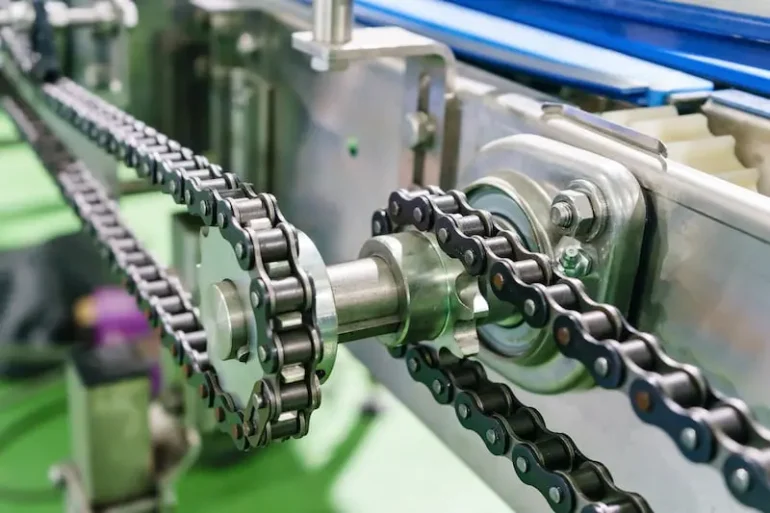
Power transmission chains serve as vital components in many mechanical systems, offering a robust means of transferring power between various parts of machinery. At their core, these chains are composed of interconnected links, typically made from high-strength materials like steel, designed to withstand significant loads and resist wear over time. The fundamental structure consists of roller links that encapsulate a roller, driven by a sprocket or gear. The arrangement of these links permits flexibility and the ability to navigate through pulleys and other configurations, making them indispensable in both industrial and commercial applications.
Each link in a power transmission chain typically consists of several parts: the inner and outer plates, rollers, and pins that secure the links together. This unique assembly allows the chain not only to bend but also to maintain a consistent tension. The design of the chain influences its engagement with the tooth of sprockets or gears – a critical factor in the overall efficiency of the power transfer process. Furthermore, advancements in chain design are continually evolving, emphasizing enhancements in materials, such as alloys that offer greater durability, resistance to corrosion, and improved performance under extreme conditions.
Mechanics Behind Motion: How Power is Transferred
The efficiency of power transmission chains hinges on the mechanical mechanics of motion applied during use. When a motor or engine applies torque to a sprocket, the corresponding link in the chain engages with the sprocket’s teeth, causing a rotational motion. This system functions on the principle of kinematics, where the input motion transforms into mechanical output to perform work, whether that’s turning wheels in a vehicle or driving conveyor belts in a factory.
One of the fundamental advantages of power transmission chains is their ability to achieve high torque transfer with low slippage, making them reliable even in demanding conditions. The chain wraps around the sprocket, ensuring that all force is effectively transmitted. The relationship between the sprocket size, chain length, and link design must be carefully calculated to maximize efficiency and minimize wear. Any misalignment can lead to catastrophic failures, highlighting the importance of precision in their deployment. Moreover, the interaction between the roller and the sprocket teeth plays a crucial role in reducing frictional losses, emphasizing that even the slightest improvements in design can lead to significant gains in mechanical efficiency.
The Role of Friction and Material Science in Chain Performance
Friction is both a challenge and an integral aspect when discussing the performance of power transmission chains. When two surfaces interact—such as a chain running over a sprocket—friction occurs, leading to energy losses that can impact efficiency. To mitigate these losses, manufacturers focus extensively on the material science aspect of chain production. Machining processes and surface treatments, like hardening or applying coatings, are tailored to reduce wear and minimize the buildup of friction over time.
Incorporating advanced materials such as composites or specially treated metals can lead to significant enhancements in longevity and performance under specific working conditions. The choice of material can also influence the weight of the chain, affecting overall system dynamics. Importantly, improvements in lubrication technology, including synthetic oils and greases, have also transformed how power transmission chains perform in varied environments, from high-temperature ranges in automotive systems to cold environments found in agricultural settings. This emphasis on both material science and lubrication techniques reflects a holistic approach to designing chains that excel in transferring power while mitigating wear and extending operational life.
Exploring the Features That Make Power Transmission Chains Unique
Durability vs. Flexibility: Finding the Perfect Balance
The applicability of power transmission chains across diverse sectors hinges upon achieving an optimal balance between durability and flexibility. A chain must withstand substantial wear and mechanical stress while maintaining its flexibility to navigate different configurations within a system. The challenge lies in the varying demands of different applications; for instance, industrial chains may prioritize strength and longevity, while chains used in smaller machinery or bicycles may require increased flexibility for efficient operation.
Recent technological advancements enable manufacturers to produce chains that meet such diverse requirements. Reinforcements in the manufacturing process enhance strength-to-weight ratios, allowing for lighter, more flexible solutions without compromising durability. Innovations such as compact chain designs or the implementation of self-lubricating materials have enabled chains to function reliably in applications where traditional chains would fail. This perfect amalgamation of strength and flexibility is a captivating area for ongoing research, promising even more innovations that could redefine how power transmission chains are used in the future.
Different Types of Power Transmission Chains: Which One Reigns Supreme?
Various types of power transmission chains exist, each tailored for specific applications and performance metrics. The most common types include roller chains, block chains, and silent chains. Roller chains are widely used in automotive and industrial applications primarily due to their versatility and strength; they can handle significant loads and are relatively easy to maintain. On the other hand, block chains, with their distinct block-shaped links, provide smoother operation at higher speeds and are ideally utilized in environments where noise reduction is paramount, such as in printing equipment or elevators.
Silent chains, commonly deployed in high-speed applications, offer quieter operation and are adept at transferring high torque due to their unique link geometry. Each type addresses specific engineering challenges and constraints, leading to unique performance characteristics. The designation of “the best” chain often aligns with the particular needs of the application rather than an absolute standard, demanding an understanding of the system’s requirements and constraints to make an informed selection. Continuous evolution within this domain remains crucial as industries strive to adopt the most efficient methods of power transmission available.
Innovations in Chain Technology: The Future of Transmission Systems
As industries evolve, so do the technologies that underpin power transmission systems. Innovations such as smart chains equipped with sensors to monitor wear and operational parameters are on the rise. These smart systems allow for predictive maintenance, thereby minimizing downtime and optimizing operational efficiency. Furthermore, advancements in manufacturing techniques, such as additive manufacturing or 3D printing, have opened doors to create chains with complex geometries that were previously unattainable, promising to further enhance flexibility, strength, and performance capabilities.
Moreover, researchers are exploring bio-inspired designs that mimic natural systems to create highly efficient power transmission chains. For instance, designs inspired by reptilian movements could potentially lead to chains with greater adaptability and strength. Sustainable practices also play a significant role in shaping the future of chain systems, with increased emphasis on developing eco-friendly materials and processes to reduce environmental impact. As these innovations continue to unfold, the future of power transmission chains holds incredible potential for enhancing efficiency, reducing maintenance demands, and expanding their application across diverse sectors.
Applications of Power Transmission Chains Across Various Industries
From Automobiles to Agriculture: Diverse Usage Scenarios
Power transmission chains have established themselves as foundational components across various industries, from automotive to agriculture. In the automotive sector, chains are pivotal in connecting engine components, helping convert the engine’s power into motion. Timing chains, for instance, play a critical role in synchronizing the crankshaft and camshaft, ensuring the engine operates correctly and efficiently.
In agriculture, power transmission chains facilitate the operation of machinery such as tractors, combine harvesters, and irrigation systems. Their robustness is crucial for performing tasks such as tilling the soil, planting seeds, and harvesting crops, where equipment may face extreme conditions and substantial mechanical stress. The diverse terrain, variable climates, and the scale of operations make durability a key factor in choosing effective power transmission systems for agricultural machinery. Innovations specific to these applications, such as self-cleaning chains to remove mud and debris, demonstrate the adaptability of power transmission chain technology.
Heavy Machinery and Manufacturing: How Chains Drive Productivity
In the realm of heavy machinery and manufacturing, power transmission chains are indispensable for driving productivity. From conveyors transporting materials in manufacturing plants to excavators and cranes in construction, chains enable the efficient operation of some of the most demanding equipment. The manufacturing sector, in particular, relies on conveyor chains to streamline processes and enhance throughput. Variations in chain design, such as welded and riveted chains, allow manufacturers to tailor solutions that meet specific performance requirements, ensuring materials are delivered precisely where needed and at the right time.
Moreover, with the emergence of Industry 4.0 principles, the integration of IoT (Internet of Things) technologies into power transmission systems enables dynamic monitoring of chain performance, predicting potential failures, and improving maintenance schedules. This real-time data collection enhances operational efficiency and minimizes unexpected downtime, showcasing how power transmission chains are evolving to meet contemporary manufacturing demands. Such applications not only improve the competitive edge of businesses but also contribute to cost-saving measures through optimized resource utilization.
Specialized Chains: Delving into Niche Applications and Sectors
Beyond traditional uses, specialized chains are increasingly finding a place in niche applications, illustrating their versatility. From food processing where chains must meet stringent hygiene standards to entertainment technology such as roller coasters that require chains built with safety and performance in mind, each unique application demands careful consideration of design and material choice. In areas like robotics and automation, lightweight chains enable agile motion control necessary for robot joints, while in mining operations, chains are designed to handle the harsh conditions and heavy loads typical of such environments.
The customization of chains for specific roles has led to innovations like corrosion-resistant chains used in marine applications, which extend service life in saltwater environments. Additionally, chains that withstand extreme temperatures are essential in processes such as metalworking and aerospace, where precision in production is critical. Each of these applications necessitates a bespoke approach to chain design, demonstrating the breadth of power transmission chains’ capabilities across multiple specialized sectors.
Maintaining and Troubleshooting Power Transmission Chains for Longevity
The Essential Guide to Chain Maintenance: Prolonging Lifespan and Efficiency
Maintenance is a crucial determinant of a power transmission chain’s lifespan and overall efficiency. A well-maintained chain can significantly reduce failures and prolong service life, directly impacting operational productivity. Regular inspection of the chain is essential to identify signs of wear, elongation, or damage that could compromise performance. Operators should monitor tension levels, ensuring they are within the manufacturer’s recommended ranges to prevent excessive wear on both the chain and sprockets, which can lead to premature failures.
Lubrication also plays a critical role in reducing friction and wear; regular application of appropriate lubricants can help maintain smooth operation and prevent rust or corrosion, especially in harsh environments. Utilizing a systematic approach to cleaning and lubricating chains, perhaps even employing automated lubrication systems, can help streamline maintenance tasks and ensure that chains remain in optimal condition. Documenting maintenance activities, including frequency and observations during inspections, can contribute to better management of chain systems and assist in future troubleshooting efforts.
Common Problems and Solutions: Keeping Your Chains Running Smoothly
Despite diligent maintenance, issues can still arise in power transmission chains, necessitating timely troubleshooting to avoid operational interruptions. Common problems include chain elongation, misalignment, and wear on links or sprockets. Chain elongation occurs from regular wear and can lead to reduced performance and increased strain on components if left unchecked. When elongation reaches a certain threshold, it is typically recommended to replace the chain entirely to maintain system integrity.
Misalignment, often caused by mounting errors or component wear, can create uneven tension across the chain and lead to accelerated wear or even system failures. Regular realignment of components as part of maintenance checks helps mitigate these risks. Furthermore, monitoring the condition of sprockets along with chains can prevent one component from unduly wearing down the other, maintaining the balance essential for prolonged operation. Utilizing diagnostic tools and sensors to monitor tension and alignment can prove invaluable in preemptively addressing such problems before they escalate.
Best Practices for Installation and Adjustments: A Case for Precision
The precision of installation and adjustments is paramount in ensuring the success of power transmission systems. Incorrect installation can lead to failures early in the lifecycle of a chain, so adherence to best practices is essential. One important consideration is ensuring that the chain is correctly tensioned during installation to prevent excessive slack or tightness, both of which can negatively affect performance.
Utilizing appropriate tools and techniques to align sprockets accurately is also crucial; a misaligned system can cause unnecessary wear and lead to malfunctions. Including tension adjusters or proper sprocket spacing in design can simplify future adjustments and aid in maintaining optimal tension levels as the chain wears over time. Adhering to manufacturer specifications throughout installation can help minimize the risk of installation-related issues. By fostering a culture of precision and attention to detail during installation and ongoing adjustments, organizations can realize the full potential of their power transmission chains, maximizing efficiency and reliability over the operational lifespan of their systems.
FAQ
Question: What are the key factors to consider when selecting a power transmission chain? – When choosing a power transmission chain, key factors include load capacity, speed requirements, environmental conditions, lubrication needs, and maintenance frequency. Understanding the specific application demands is crucial to making an informed decision.
Question: How can I improve the efficiency of my power transmission system? – To enhance the efficiency of a power transmission system, ensure proper alignment of sprockets, maintain appropriate tension levels, regularly lubricate the chain, and choose the right type of chain for your application. Implementing preventive maintenance can also reduce wear and downtime.
Question: What are the signs that my power transmission chain needs to be replaced? – Signs that a chain may need replacement include noticeable elongation, excessive wear on links or sprockets, decreased performance, or unusual noises during operation. Regular inspections can help identify these issues before they lead to failure.
Question: Can power transmission chains operate in extreme conditions? – Yes, power transmission chains can operate in extreme conditions, such as high temperatures or corrosive environments, when they are made from specialized materials and designed for those specific conditions. Using appropriate lubricants also contributes to their performance in harsh environments.
Question: What innovations are currently shaping the future of power transmission chains? – Innovations such as smart chains with integrated sensors, advanced materials for lightweight yet durable designs, and methods like additive manufacturing are reshaping power transmission chains, enabling better performance, predictive maintenance, and enhanced adaptability.
Question: How often should I perform maintenance on my power transmission chain? – Maintenance frequency depends on the application and usage, but generally, chains should be inspected regularly, and lubrication should be applied as needed, typically every few weeks or according to manufacturer recommendations. Establishing a routine maintenance schedule helps prevent unexpected failures.
Question: Are there specific lubrication methods recommended for power transmission chains? – Yes, using the right type of lubricant such as synthetic oils or greases suited for the operational environment is recommended. Applying lubrication systematically, either manually or with automatic systems, ensures even distribution and helps minimize wear and friction.
Question: What role do sensors play in modern power transmission chains? – Sensors in modern power transmission chains enable real-time monitoring of performance metrics such as tension, wear levels, and operating conditions. This data helps in predictive maintenance, optimizing operation, and minimizing downtime through timely interventions before failures occur.
Useful Resources
- Engineering Toolbox
- Durability + Design
- ScienceDirect
- ASHRAE – American Society of Heating, Refrigerating and Air-Conditioning Engineers
- Institute of Materials, Minerals and Mining
- The Fabricator
- Institution of Mechanical Engineers
- ASME – American Society of Mechanical Engineers