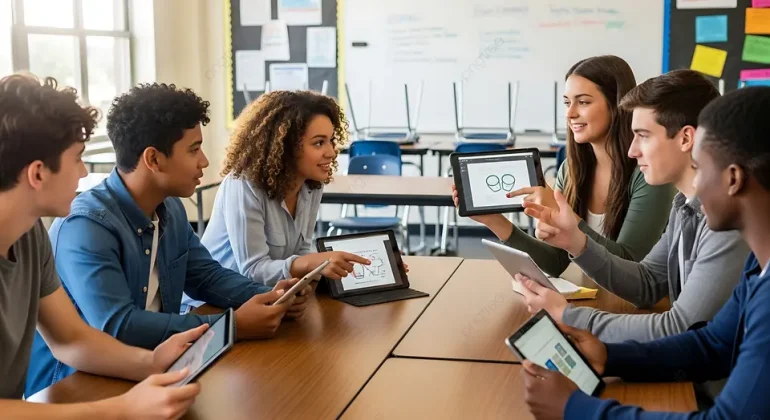
Education is one of the most powerful tools for personal growth, social development, and national progress. It shapes how individuals think, communicate, innovate, and contribute to society. In today’s rapidly changing world, education is no longer limited to classrooms and textbooks. It has become a dynamic process that prepares learners for lifelong success.
A strong educational system empowers individuals with knowledge, practical skills, ethical awareness, and adaptability. It helps societies become more productive, inclusive, and resilient.
What Education Means in Today’s Context
Education is the structured process of acquiring knowledge, skills, values, and habits through learning experiences. It takes place in multiple environments including schools, families, workplaces, and digital platforms.
Modern education focuses on developing:
- Critical thinking abilities
- Problem-solving skills
- Communication competence
- Digital literacy
- Emotional intelligence
- Social responsibility
Instead of memorization alone, today’s learning systems emphasize understanding, creativity, and application.
Types of Education
Education can be broadly categorized into three major types, each playing a unique role in shaping individuals.
Formal Education
Formal education takes place within structured institutions such as schools, colleges, and universities. It follows a planned curriculum and evaluation system.
Key features include:
- Organized syllabus
- Certified teachers
- Standardized assessments
- Recognized qualifications
Formal education provides the academic foundation necessary for professional careers and advanced learning.
Informal Education
Informal education occurs naturally through everyday experiences and interactions. It is not structured or institutionalized.
Examples include:
- Learning from parents and elders
- Observing social behavior
- Reading books independently
- Watching educational programs
This type of education plays a vital role in shaping attitudes, values, and personality.
Non-Formal Education
Non-formal education lies between formal and informal learning. It includes structured learning outside traditional academic systems.
Examples include:
- Skill development programs
- Vocational training
- Online certification courses
- Adult literacy initiatives
Such learning opportunities help individuals adapt to changing professional and social environments.
Importance of Education in Personal Development
Education contributes significantly to shaping an individual’s identity and capabilities. It builds confidence and encourages independent thinking.
Major personal benefits include:
- Improved decision-making ability
- Enhanced communication skills
- Greater employment opportunities
- Better awareness of rights and responsibilities
- Stronger emotional and social understanding
Educated individuals are more capable of adapting to challenges and making informed choices.
Role of Education in Social Development
Education plays a crucial role in strengthening societies and promoting equality. It helps reduce poverty, improve public health, and encourage responsible citizenship.
Societal contributions of education include:
- Promoting gender equality
- Supporting economic growth
- Encouraging democratic participation
- Reducing crime rates
- Strengthening cultural understanding
A well-educated population contributes to national stability and long-term development.
Technology and the Transformation of Education
Technology has significantly changed how learning is delivered and accessed. Digital tools now allow students to learn anytime and from anywhere.
Important technological advancements include:
- Online learning platforms
- Virtual classrooms
- Interactive educational applications
- Digital libraries
- Artificial intelligence–supported learning systems
These innovations make education more flexible, personalized, and accessible for learners worldwide.
Challenges Facing Modern Education Systems
Despite progress, education systems across the world continue to face several challenges that affect learning outcomes.
Common challenges include:
- Unequal access to quality education
- Limited digital infrastructure in rural areas
- Teacher shortages
- Outdated teaching methods
- Financial constraints
Addressing these issues requires collaboration between governments, institutions, and communities.
Importance of Skill-Based Education
Modern education increasingly emphasizes practical skills alongside theoretical knowledge. Skill-based learning prepares students for real-world challenges and employment opportunities.
Key advantages include:
- Improved job readiness
- Enhanced creativity and innovation
- Stronger problem-solving ability
- Increased adaptability in changing industries
Integrating technical and vocational education into academic systems helps create a balanced and capable workforce.
The Future of Education
Education is evolving toward more learner-centered and technology-supported approaches. Future learning environments will likely focus on flexibility, personalization, and interdisciplinary knowledge.
Emerging trends include:
- Hybrid learning models combining online and offline instruction
- Artificial intelligence–supported tutoring systems
- Global collaborative classrooms
- Project-based learning approaches
- Continuous lifelong learning pathways
These developments will make education more inclusive and relevant to future needs.
Conclusion
Education remains the foundation of individual success and social progress. It empowers people with knowledge, builds character, and strengthens communities. As technology continues to reshape learning environments, education systems must adapt to ensure accessibility, relevance, and quality for all learners. Investing in education today ensures a stronger and more capable society tomorrow.
Frequently Asked Questions
1. Why is education important for economic development
Education improves workforce productivity, encourages innovation, and increases employment opportunities, which together contribute to national economic growth.
2. How does education influence personality development
Education builds confidence, communication ability, ethical understanding, and emotional intelligence, all of which shape a person’s personality.
3. What is the difference between traditional and modern education
Traditional education focuses mainly on memorization and teacher-led instruction, while modern education emphasizes critical thinking, creativity, and student participation.
4. How can technology improve access to education
Technology enables remote learning, provides digital resources, and allows students in underserved areas to access quality educational content.
5. What role do teachers play in modern education
Teachers guide learning, encourage curiosity, support skill development, and help students apply knowledge in real-life situations.
6. Why is lifelong learning becoming important today
Rapid technological and workplace changes require individuals to continuously update their knowledge and skills throughout their lives.
7. How can education promote social equality
Education provides equal opportunities for individuals from different backgrounds, helping reduce poverty and social discrimination.