Introduction
Modern malls have transformed the traditional idea of shopping into a multi-dimensional lifestyle experience. No longer limited to purchasing goods, these spaces now serve as social hubs, entertainment zones, dining destinations, and cultural gathering points. With advanced architecture, digital integration, and curated brand environments, malls provide visitors with comfort, convenience, and variety under one roof.
As urban living becomes faster and more connected, modern malls continue to evolve to meet changing expectations. They are designed not just for transactions but for experiences that combine leisure, interaction, and discovery.
Evolution of Shopping Malls
Shopping malls have developed significantly over the past few decades. Earlier markets were functional spaces focused primarily on commerce. Today’s malls emphasize customer engagement, ambience, and accessibility.
Key elements that define this transformation include
- Climate-controlled indoor environments
- Spacious layouts with clear navigation
- Integration of entertainment and dining
- Presence of national and international brands
- Digital payment and smart parking systems
These features make malls attractive destinations for families, students, professionals, and tourists alike.
Architectural Design and Ambience
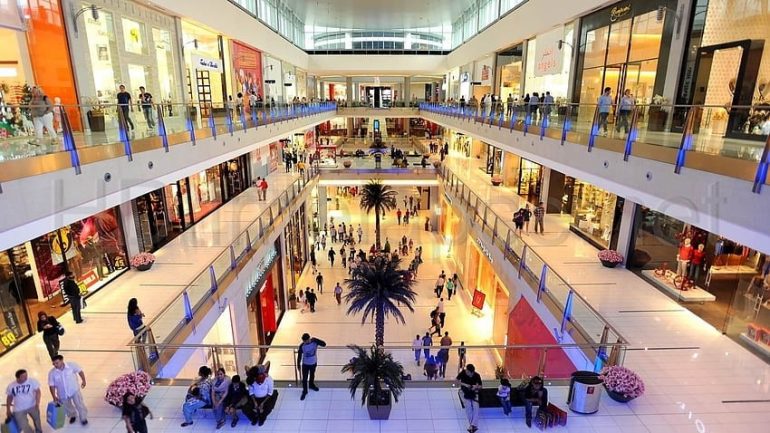
Architecture plays a crucial role in shaping the shopping experience. Modern malls are carefully designed to create welcoming and visually appealing environments that encourage visitors to spend more time exploring.
Common architectural features include
- Wide walkways for easy movement
- Natural lighting through glass ceilings
- Indoor plants and relaxation zones
- Comfortable seating arrangements
- Attractive storefront displays
These elements contribute to a relaxed atmosphere that blends functionality with aesthetics.
Variety of Retail Choices
One of the strongest attractions of modern malls is the wide range of shopping options available in a single location. Visitors can explore multiple product categories without traveling across different parts of a city.
Retail offerings typically include
- Fashion and lifestyle brands
- Electronics and gadgets
- Books and stationery stores
- Beauty and wellness outlets
- Home décor and accessories
This diversity allows shoppers to compare products easily and make informed purchasing decisions.
Entertainment and Leisure Opportunities
Modern malls function as entertainment centers as much as shopping destinations. Visitors often spend entire evenings enjoying activities beyond retail browsing.
Popular entertainment features include
- Multiplex cinemas
- Gaming arcades
- Children’s play areas
- Live events and seasonal exhibitions
- Virtual reality experiences
These attractions transform malls into weekend destinations for families and groups of friends.
Dining Experiences Inside Malls
Food courts and restaurants play an essential role in enhancing the overall mall visit. From quick snacks to full-course meals, malls offer diverse dining choices suited to different tastes and budgets.
Visitors can typically find
- Regional cuisines
- International food chains
- Cafés and dessert counters
- Healthy eating outlets
- Fine dining restaurants
Dining spaces also act as social gathering points where people relax between shopping sessions.
Convenience and Accessibility
Modern malls prioritize customer comfort through thoughtfully planned infrastructure and services. Accessibility features ensure that visitors from different age groups can navigate the premises easily.
Convenience features often include
- Multi-level parking facilities
- Elevators and escalators
- Digital directories
- Clean restrooms and baby care rooms
- Security surveillance systems
These amenities make malls safe and welcoming environments for extended visits.
Role of Technology in Modern Mall Experiences
Technology has reshaped the way people interact with retail environments. Smart solutions improve efficiency while enhancing the visitor experience.
Examples include
- Digital payment systems
- Interactive information kiosks
- Mobile navigation apps inside malls
- Loyalty programs through mobile platforms
- Smart parking guidance systems
Such innovations create seamless and personalized shopping journeys.
Social and Cultural Significance of Malls
Modern malls have become important social spaces where people meet, celebrate, and participate in community events. Festivals, exhibitions, and promotional campaigns bring together diverse groups of visitors.
Malls often host
- Cultural performances
- Seasonal decorations
- Brand launches
- Public awareness campaigns
- Student competitions and workshops
These activities strengthen their role as community-centered destinations.
Challenges Faced by Modern Malls
Despite their popularity, malls must adapt continuously to changing consumer behavior. Online shopping platforms and shifting lifestyle habits influence how people interact with physical retail spaces.
Common challenges include
- Competition from e-commerce platforms
- Rising operational costs
- Changing customer expectations
- Need for continuous technological upgrades
To remain relevant, malls focus increasingly on experiential offerings rather than purely transactional retail.
The Future of Shopping in Modern Malls
The future of malls lies in combining retail with lifestyle services and immersive experiences. Developers are investing in smart infrastructure and environmentally responsible designs.
Emerging trends include
- Integration of smart navigation systems
- Expansion of entertainment zones
- Increased use of sustainable materials
- Growth of hybrid retail experiences
- Inclusion of wellness and fitness centers
These innovations ensure malls continue to remain central to urban social life.
Conclusion
The experience of shopping in modern malls extends far beyond purchasing products. With thoughtfully designed spaces, diverse retail options, entertainment facilities, and technology-driven services, malls provide a complete lifestyle environment. As consumer expectations evolve, malls will continue adapting to deliver engaging and convenient experiences that combine shopping, leisure, and community interaction.
Frequently Asked Questions
1. Why do people prefer shopping malls over traditional markets today
Shopping malls provide convenience, comfort, brand variety, entertainment options, and climate-controlled environments that make the experience more enjoyable.
2. How do malls contribute to local economies
Malls create employment opportunities, support retail businesses, increase tourism activity, and encourage infrastructure development in surrounding areas.
3. Are malls suitable for family outings
Yes, modern malls offer entertainment zones, dining areas, and safe indoor spaces that make them ideal for family visits.
4. What role do food courts play in malls
Food courts enhance visitor comfort by offering diverse meal options and providing resting spaces between shopping activities.
5. How do malls ensure visitor safety
Malls maintain security through surveillance systems, trained personnel, emergency exits, and structured crowd management strategies.
6. Do malls support local brands along with international stores
Many malls provide space for both local and international brands, allowing shoppers to explore diverse products in one location.
7. How are malls adapting to changing shopping habits
Malls are integrating digital technologies, expanding entertainment facilities, and offering experiential services to remain relevant in modern retail environments.