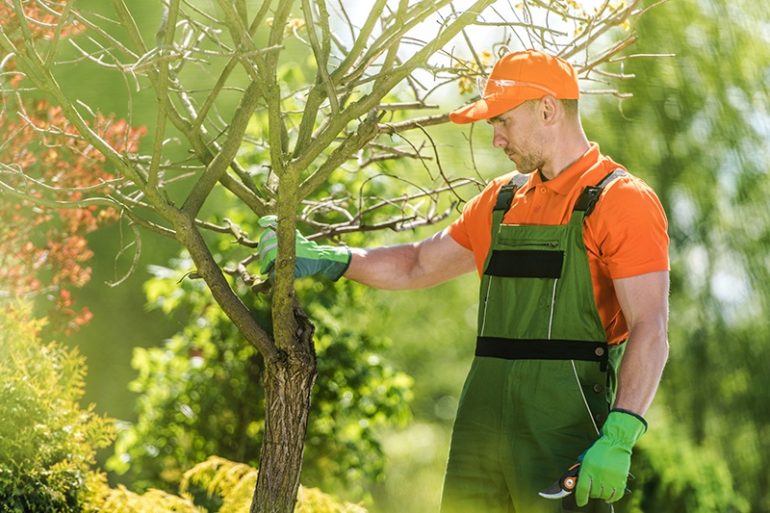
Key Takeaways
Tree trimming plays a pivotal role in maintaining health, stimulating growth, and enhancing air circulation. Optimal results hinge on proper techniques, timing, and an understanding of specific species.
Aesthetic pruning not only elevates a tree’s visual appeal but can also boost property value, allowing it to shine as a centerpiece in the landscape. Professionals prioritize balance and shape while safeguarding the tree’s health.
Indicators that a tree may require removal encompass leaf loss, dead branches, visible decay, and compromised roots. Early recognition of these signs can avert safety risks, particularly in areas susceptible to storms.
The process of tree removal begins with an evaluation by experts who consider several factors before proceeding with a safe and thorough removal and cleanup. Homeowners should anticipate a careful, tailored approach for their unique circumstances.
Stump grinding becomes essential for removing unsightly stumps, enhancing the visual appeal of landscapes while reducing safety hazards. This procedure readies the area for new plantings and halts potential regrowth.
Emergency tree services stand ready for swift action in response to storm damage, protecting both property and lives. Keeping reliable tree services on hand enables homeowners to navigate such situations effectively.
Investing in tree services serves not just to beautify landscapes, but also to promote safety and environmental wellness. Thoughtful care allows trees to thrive and enhances the overall attractiveness of properties.
Opening up the Magic of Expert Tree Trimming
How Precision Cuts Shape Healthy Growth
Tree trimming transcends aesthetics—it’s vital for overall tree vitality. Precision cuts encourage new growth and enhance the structure, enabling better sunlight exposure and air circulation. By employing specialized techniques, trees remain vigorous and lush, fortifying them against diseases and pests. It’s a common misunderstanding that all trimming is created equal. Grasping the subtle differences can really make an impact.
Experts emphasize that awareness of when and how to trim is non-negotiable. Seasonal timing generally dictates the schedule, with late winter or early spring being ideal for most species. While year-round trimming is suggested by some, each type of tree has its own preferences. Effective cutting methods, such as thinning or heading cuts, can greatly affect growth while minimizing potential damage.
A proficient arborist will analyze each tree’s unique needs. Their knowledge of growth patterns, disease vulnerabilities, and species traits shapes their approach. This leads to significant improvement not only in appearance but also in the tree’s health and lifespan.
- Effective trimming relies heavily on seasonal timing.
- Special attention to specific tree species informs suitable techniques.
- Proper cuts can promote healthier regrowth and diminish disease risks.
The Art of Aesthetic Pruning for Curb Appeal
Aesthetic pruning extends beyond just preserving tree health. It aims to enhance the inherent beauty and allure of a landscape. Clients commonly notice an increase in property value following professional services. A well-pruned tree can serve more as a focal point than just an element in the background of a yard. However, achieving those ideal lines and flourishing canopies does require skill.
Professionals understand that a well-maintained tree captivates attention. Focusing on creating shape and balance while keeping the tree healthy is paramount. This approach enriches the atmosphere of the whole property, making it more inviting. Often, they’ll assess surrounding landscapes and features to inform their decisions. Trees play a crucial role in urban aesthetics, making their care essential.
“A well-pruned tree isn’t just about looks; it’s crucial for the tree’s health and longevity.”
So, what does this entail practically? Consider these important factors:
- Selecting the most appropriate pruning method based on tree species.
- Preserving the tree’s natural shape while enhancing its overall look.
- Supporting the environmental balance of the surrounding area.
When to Choose Tree Removal: A Guide for Homeowners
Signs Your Tree Is Beyond Saving
Choosing to remove a tree is rarely a simple decision. However, there are clear signs that a tree may not be salvageable. Indicators like leaf loss, dead branches, or visible decay often point to serious issues. Clients often feel both a sense of sadness and release when faced with this hard choice. Yet, ensuring tree health remains essential.
A notable sign to be aware of is root damage. When the root system is compromised, even a seemingly healthy tree can be a danger in strong winds. Structural issues can lead to safety risks, particularly in areas prone to storms. Early detection can help prevent accidents, especially for homeowners.
- Watch for significant branch dieback.
- Inspect the trunk for visible decay or fungus.
- Assess root health and stability.
Understanding the Tree Removal Process
Hiring a tree service is a crucial component of the removal process. Specialists typically conduct a thorough assessment prior to making decisions. From examining the surrounding environment to devising the safest method for removal, professionals navigate the complexities involved. Various factors, such as tree size, species, and proximity to structures, are meticulously taken into account.
So, what can homeowners expect? Each case is distinct, but typically involves an inspection, an elaborate plan, and careful execution
to ensure a safe removal. Post-removal, services frequently handle cleanup and stump grinding to leave the area looking immaculate.
“Removing a tree is complex. Always consult with professionals for expertise.”
Stump Grinding: The Key to a Pristine Yard
Benefits of Removing Unsightly Stumps
After a tree is cut down, the stump that remains can be quite an eyesore. Stump grinding serves to improve aesthetics while addressing practical concerns. Stumps pose trip hazards and can attract pests, which often troubles homeowners focused on safety and appearance. Removing the stump mitigates these concerns while refreshing the landscape.
Beyond merely improving looks, there are several compelling reasons to consider stump grinding. The process prepares the soil for new planting, fostering opportunities for grass or other plants to thrive. Additionally, removing the stump stops any chances of regrowth, which can be an irritating outcome of incomplete work. Why risk that when reliable services can take care of it?
- Boosts the visual charm of the landscape.
- Reduces safety hazards by removing tripping risks.
- Prepares space for future planting or landscaping projects.
What to Expect from Professional Stump Grinding
Professional stump grinding sets the stage for a clean landscape. Utilizing specially designed equipment, experts grind stumps into wood chips, which can be repurposed as mulch or removed entirely. The process is swift and often hassle-free for homeowners. But it involves more than just grinding; experts typically excavate some surrounding roots to ensure a polished finish.
Clients should anticipate thorough cleanup after the grinding process. These professionals value satisfaction, making cleanup a key part of their service. Reliable companies ensure no debris lingers, allowing for immediate enjoyment of the transformed area. After all, who doesn’t appreciate a fresh start in their yard?
“Stump grinding breathes new life into your yard, paving the way for a fresh garden or landscaping.”
Emergency Tree Services: Ready for Nature’s Surprises
How to Plan for Unexpected Storm Damage
Storms have the power to severely impact trees, creating urgent challenges for homeowners. The aftermath usually necessitates prompt action. Experts recommend preparing a plan, which includes having a trusted tree service ready for emergencies. Quick response can minimize damage and restore safety to properties.
But what if a tree unexpectedly falls? Emergency services excel in these scenarios. Many tree companies provide on-call services during extreme weather conditions. Their rapid response can mean the difference between a minor issue and a significant ordeal.
- Quickly assess any damage to ensure safety.
- Reach out to professionals for swift action.
- Implement preventive strategies, like regular tree evaluations.
Swift Response: The Critical Role of Emergency Tree Care
The hallmark of a dependable tree service is readiness for emergencies. Rapid response times protect property and can even save lives. Many homeowners keep contacts for local experts handy. What might appear as a small issue can escalate if left unattended.
Once the immediate danger is neutralized, tree specialists evaluate the situation to determine the best steps forward. Whether securing the tree in question or providing removal services, their expertise comes into play during these crucial moments.
“In emergency tree care, every second counts. Prompt action can save lives and property.”
It’s clear that engaging with tree services offers an investment in both beauty and safety. With appropriate tree trimming, careful removal, and proactive emergency care, properties can thrive while also supporting environmental health. Trees hold immense value; they simply require a touch of professional guidance to unlock their full potential.
FAQ
What types of trees benefit the most from aesthetic pruning?
Species such as flowering cherries and ornamental maples particularly thrive under aesthetic pruning. Skillful professionals can amplify their natural beauty, ensuring they positively enhance the surrounding landscape.
How often should trees be assessed for health and safety?
It’s advisable to perform regular assessments at least once a year, especially after severe weather incidents. This proactive measure helps catch potential issues early and maintain tree vitality before problems escalate.
Can tree services help prevent future storm damage?
Absolutely. Routine maintenance, which includes trimming and root evaluations, can greatly diminish the risk of storm damage. An expert tree service can identify areas of weakness that might fail during high winds, allowing homeowners to address them ahead of time.
What are the typical costs associated with tree removal?
Costs can vary widely depending on the tree’s size, species, and location. Nonetheless, homeowners should expect to spend a few hundred dollars for smaller trees, with prices significantly increasing for larger or more complex jobs that involve additional factors.
Is it safe to try DIY tree services?
While some minor tasks might be manageable by homeowners, attempting larger jobs can be risky. Tree removal and trimming demand expertise, and professionals are equipped to handle various hazards that may arise.
How can homeowners choose the right tree service?
Researching local services and checking customer reviews is crucial. Seeking certified arborists ensures that the chosen service possesses the necessary qualifications and experience to deliver quality work.
What happens to the wood and debris after a tree is removed?
Professional services usually take care of all debris disposal, yet homeowners often have the option to retain the wood for personal use. This could mean firewood or mulch, adding an eco-friendly aspect to tree maintenance.
Can regular tree maintenance lower home insurance premiums?
Yes, maintaining trees tends to lead to safer properties, potentially lowering insurance premiums. Insurers frequently acknowledge that proactive care reduces risks, encouraging homeowners to stay diligent in their landscaping upkeep.
Useful Resources
- International Society of Arboriculture
- Tree Care Industry Association
- eXtension – Cooperative Extension Service
- S. Forest Service – Forest Health
- JSTOR – Academic Resource for Tree Sciences
- American Association for the Advancement of Science
- National Center for Biotechnology Information
- Nature – International Journal of Science