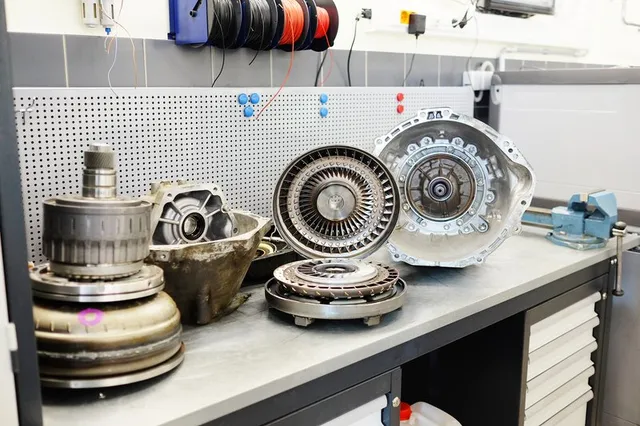
The Importance of Torque Converters
Torque converters play a crucial role in the functioning of automatic transmission systems in vehicles. Without a torque converter, the vehicle’s transmission would not be able to transfer power efficiently from the engine to the wheels. As such, understanding how torque converters work and the importance of maintaining and repairing them is essential for any vehicle owner.
How Torque Converters Work
A torque converter is a hydraulic fluid coupling that allows the engine to keep running while the vehicle is at a stop, without stalling. It consists of three main parts: the impeller, turbine, and stator. The impeller is connected to the engine’s crankshaft and spins with it. As the impeller spins, it accelerates the transmission fluid, which then flows into the turbine. The turbine is connected to the transmission input shaft and transfers the power from the fluid back to the transmission. The stator redirects the fluid back to the impeller, allowing for greater torque multiplication and overall efficiency.
Torque converters use a fluid coupling instead of a direct mechanical connection, which allows for smooth engagement of the engine and transmission. This is particularly useful in situations where the vehicle needs to start from a stop or accelerate quickly. The fluid coupling also acts as a torque multiplier, providing an additional boost of power to the wheels.
The Role of Torque Converters in Vehicle Performance
Torque converters have a significant impact on the overall performance of a vehicle. They enable smooth and efficient power transfer from the engine to the wheels, allowing the vehicle to accelerate smoothly and navigate various driving conditions. A properly functioning torque converter ensures that the engine operates within its optimal performance range, enhancing fuel efficiency, and reducing wear and tear on the transmission system.
Furthermore, torque converters play a crucial role in ensuring that the vehicle can come to a complete stop without stalling the engine. This is especially important in heavy traffic situations or when driving in challenging terrains.
The Benefits of Maintaining and Repairing Torque Converters
Maintaining and repairing torque converters regularly can extend their lifespan, improve vehicle performance, and prevent costly repairs down the line. By addressing any potential issues early on, you can avoid more extensive and expensive repairs.
Regular maintenance tasks for torque converters include checking fluid levels, inspecting for leaks, and ensuring that the internal components are clean and in good condition. Additionally, performing a torque converter flush and replacing the transmission fluid at recommended intervals can help prevent contamination and ensure optimal performance.
If a torque converter is experiencing issues such as slipping, overheating, or excessive noise, it may require repair or replacement. Rebuilding a torque converter involves disassembling it, inspecting the components, replacing any worn or damaged parts, and then reassembling it. A professional torque converter specialist can diagnose the problem accurately and determine the most appropriate repair solution.
Signs Your Torque Converter Needs Service
It is important to be aware of the signs that indicate your torque converter may need service. By being proactive and addressing these issues promptly, you can prevent further damage to your vehicle’s transmission system. Here are some common symptoms to watch out for:
Common Symptoms of Torque Converter Problems
One of the most common signs of torque converter problems is transmission slipping. If you notice that your vehicle is struggling to accelerate or experiencing a loss of power, it may be due to a malfunctioning torque converter. Additionally, a faulty torque converter can cause the engine to stall when coming to a stop or generate excessive heat, leading to overheating of the transmission fluid.
Other symptoms of torque converter issues include shuddering or vibrating sensations when accelerating, delayed or erratic shifting, and unusual noises such as whining or grinding. If you experience any of these symptoms, it is recommended to have your torque converter inspected by a professional.
How to Diagnose Torque Converter Issues
Diagnosing torque converter issues can be challenging, as the symptoms may mimic other transmission problems. However, a skilled mechanic can perform various diagnostic tests to identify the root cause. These tests may include a visual inspection of the torque converter for signs of damage or fluid contamination, checking the transmission fluid levels and condition, and using diagnostic tools to monitor the torque converter’s performance.
In some cases, it may be necessary to perform a road test to observe the torque converter’s behavior under different driving conditions. This can help pinpoint the exact issue and determine the appropriate repair solution.
When to Seek Professional Torque Converter Service
If you are experiencing any of the symptoms mentioned above or suspect that your torque converter may be malfunctioning, it is best to seek professional torque converter service. A qualified torque converter specialist will have the necessary expertise and equipment to accurately diagnose the problem and recommend the most effective repair options.
Attempting to repair or replace a torque converter without the proper knowledge and tools can lead to further damage to the transmission system and costly repairs in the long run. Therefore, it is essential to entrust torque converter service and repair to a reputable and experienced professional.
Torque Converter Repair and Maintenance Techniques
When it comes to torque converter repair and maintenance, there are several techniques that can help extend the lifespan of your torque converter and ensure optimal performance. Here are some key considerations:
Understanding the Different Torque Converter Repair Options
There are various repair options available for torque converters, depending on the extent of the damage and the specific components affected. In some cases, minor issues can be resolved through adjustments or repairs to individual components, such as the clutch or solenoids. However, more significant damage may require a complete torque converter rebuild or replacement.
A torque converter rebuild involves disassembling the torque converter, replacing worn or damaged components, and reassembling it to factory specifications. This can be a cost-effective option compared to a full replacement, especially if the torque converter’s main body is still in good condition.
In some cases, a torque converter replacement may be necessary, especially if the damage is extensive or the torque converter is no longer functioning optimally. A professional torque converter specialist can provide guidance on the best repair option based on the specific circumstances.
Proper Maintenance Practices for Torque Converters
Maintaining your torque converter is crucial for ensuring its longevity and optimal performance. Here are some essential maintenance practices:
- Regularly check the transmission fluid levels and condition using the manufacturer’s recommended intervals. Low or contaminated fluid can lead to torque converter issues.
- Ensure that the transmission cooler is functioning correctly and not obstructed. Overheating can cause damage to the torque converter and other transmission components.
- Avoid harsh driving habits and excessive towing, as these can put additional stress on the torque converter and lead to premature wear and damage.
- Follow the manufacturer’s recommended service schedule for torque converter maintenance, including flushes and fluid replacements.
Increasing the Lifespan of your Torque Converter
While torque converters are designed to be durable, taking proactive steps to increase their lifespan is beneficial. Here are some tips to help prolong the lifespan of your torque converter:
- Warm up your vehicle’s engine before driving, especially in cold weather. This allows the torque converter and other components to reach optimal operating temperature, reducing wear and tear.
- Avoid abrupt shifts between gears, as this can put excessive stress on the torque converter and transmission system.
- Install an auxiliary transmission cooler if you frequently drive in high-temperature climates or tow heavy loads. This can help keep the transmission fluid at a lower temperature, reducing the strain on the torque converter.
Hiring a Professional for Torque Converter Service and Repair
When it comes to torque converter service and repair, it is essential to choose a qualified professional who specializes in automatic transmission systems. Here are some qualities to look for when selecting a torque converter specialist:
Qualities to Look for in a Torque Converter Specialist
- Experience and Expertise: Look for a specialist with extensive experience and knowledge in torque converter repair and maintenance. They should have a deep understanding of the internal workings of torque converters and be familiar with different makes and models.
- Diagnostic Skills: A skilled torque converter specialist should possess excellent diagnostic skills to accurately identify the cause of any issues and recommend appropriate repair options.
- Reputation and Reviews: Research the reputation of the torque converter specialist or repair shop online. Read reviews and testimonials from previous customers to get a sense of their professionalism and the quality of their work.
Questions to Ask when Choosing a Torque Converter Repair Shop
- Do you specialize in torque converter repair and maintenance?
- What diagnostic tools and techniques do you use to identify torque converter issues?
- How many years of experience do you have working with torque converters?
- Can you provide references from previous customers?
The Cost of Torque Converter Service and Repair
The cost of torque converter service and repair can vary depending on the extent of the damage, the make and model of the vehicle, and the location of the repair shop. In general, rebuilding a torque converter is more cost-effective compared to a full replacement. It is recommended to obtain quotes from multiple reputable torque converter specialists to ensure you are getting a fair price.
Investing in professional torque converter service and repair is essential for maintaining the performance and longevity of your vehicle’s transmission system. By addressing torque converter issues promptly and following proper maintenance practices, you can avoid costly repairs and keep your vehicle running smoothly for years to come.
FAQ
Question: What is a torque converter?
A torque converter is a hydraulic fluid coupling that allows the engine to keep running while the vehicle is at a stop, without stalling. It transfers power from the engine to the transmission and provides torque multiplication for efficient power transfer.
Question: How does a torque converter work?
A torque converter consists of three main parts – the impeller, turbine, and stator. The impeller is connected to the engine’s crankshaft and spins with it, accelerating the transmission fluid. The fluid flows into the turbine, which is connected to the transmission input shaft, and transfers the power back to the transmission. The stator redirects the fluid back to the impeller, allowing for torque multiplication and overall efficiency.
Question: What are the symptoms of torque converter problems?
Common signs of torque converter problems include transmission slipping, stalling, overheating, shuddering or vibrating sensations when accelerating, delayed or erratic shifting, and unusual noises such as whining or grinding.
Question: How can torque converter issues be diagnosed?
Torque converter issues can be diagnosed by a skilled mechanic through visual inspections for damage or fluid contamination, checking transmission fluid levels and condition, monitoring the torque converter’s performance using diagnostic tools, and conducting road tests to observe behavior under different driving conditions.
Question: When should I seek professional torque converter service?
If you experience symptoms of torque converter problems or suspect a malfunction, it is best to seek professional torque converter service. A qualified specialist can accurately diagnose the issue and recommend effective repair options.
Question: What are the different repair options for torque converters?
Repair options for torque converters vary based on the extent of damage and affected components. Minor issues can be resolved through adjustments or repairs to individual components. More significant damage may require a torque converter rebuild or replacement.
Question: How can I maintain my torque converter?
Proper maintenance practices for torque converters include regularly checking fluid levels, ensuring proper cooling by checking the transmission cooler, avoiding harsh driving habits and excessive towing, and following the manufacturer’s recommended service schedule for maintenance tasks such as flushes and fluid replacements.
Question: How do I choose a torque converter specialist?
When choosing a torque converter specialist, look for someone with experience and expertise in torque converter repair and maintenance, excellent diagnostic skills, and a good reputation. Ask questions about their specialization, diagnostic tools and techniques, years of experience, and references from previous customers.