Understanding Slate Roofs: The Charm and Challenges
The Allure of Slate: Why Choose This Timeless Material?
Slate roofs have long captivated homeowners and architects alike with their exceptional aesthetic appeal and durability. Composed of natural stone, slate presents a timeless elegance that enhances the visual profile of any building, whether it be a historic mansion or a contemporary home. The natural color variations in slate—from muted grays and blues to rich greens—offer a degree of customization that synthetic materials simply cannot replicate. Furthermore, beyond their beauty, slate roofs boast remarkable longevity, often lasting over a century when properly maintained, effectively making them a cost-saving investment in the long run. Their fire-resistant properties provide an added layer of safety, and their ability to keep homes cool in summer while retaining warmth in winter exemplifies their natural insulating capabilities.
Common Issues That Plague Slate Roofs: From Cracks to Loss
Despite their many advantages, slate roofs are not without challenges. One of the most common issues is cracking—slate tiles can break under extreme weather conditions, heavy debris, or even foot traffic during maintenance. Additionally, slippage can occur when slates dislodge from their initial positioning, often due to rusted nails or inadequate support from the underlayment. Furthermore, the natural weathering process can lead to color leaching and surface erosion, diminishing both the appearance and functionality of the roof. Other problems include moss and algae growth, which can trap moisture and lead to other underlying issues. Identifying and addressing these problems promptly is essential to ensure that the roof remains intact and functional for decades to come.
Assessing the Lifespan: When to Repair vs. When to Replace
Determining whether to repair or replace a slate roof requires a careful assessment of its condition. A generally accepted guideline is that if more than 25% of the roofing slates exhibit signs of wear—such as cracks, chips, or significant discoloration—replacement may be the most prudent choice. In contrast, localized damage often lends itself to repair, especially if the roof has been well maintained and appears structurally sound overall. A professional inspection can provide invaluable insight; roofing experts may also look for signs of water infiltration or damage beneath the slate, which can indicate the need for extensive repairs or a full replacement. Homeowners should weigh the long-term costs and benefits, considering factors such as the potential for energy savings, the roof’s aesthetic contributions, and any historical significance of the material and its installation.
Preparation is Key: Essentials for a Successful Repair
Tools of the Trade: Your Must-Have Slate Repair Toolkit
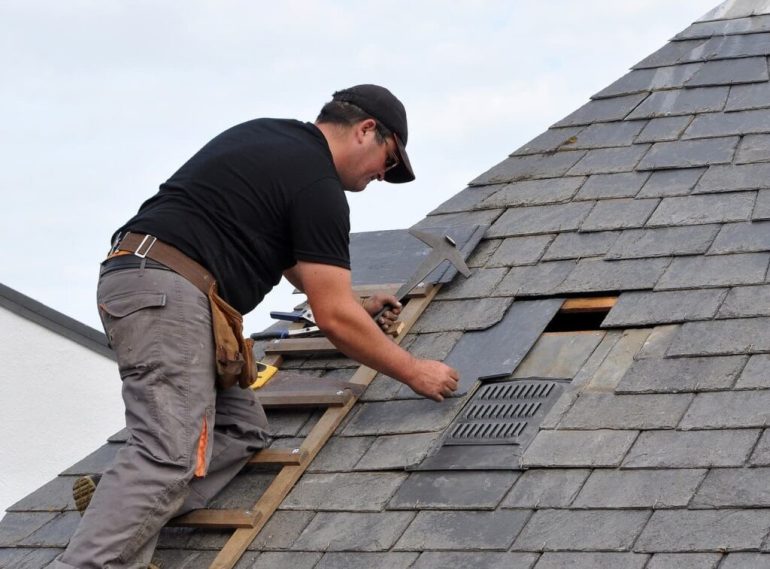
Embarking on a slate roof repair project requires the right set of tools and materials to ensure a successful outcome. Essential tools include a slate cutter, which provides the precision needed to shape new slates to fit seamlessly; a slate hammer, specifically designed to install nails without cracking the tiles; and a chisel for removing damaged slates. Other helpful items include a sturdy ladder, safety harness, shingles pry bar for slate removal, and roofing nails made from non-corrosive material. Additionally, having the right safety gear is imperative; this includes gloves, non-slip footwear, eye protection, and a hard hat to safeguard against unexpected falls or debris. A tarp can also be beneficial for protecting your landscape and catching falling slates. By preparing adequately with these tools, you can facilitate a smoother and more efficient repair process.
Safety First: Navigating Heights and Hazards During Repairs
Working on a roof presents inherent risks, and prioritizing safety is non-negotiable. Begin by inspecting the roof for stability before climbing, assessing factors such as pitch and current weather conditions. If the roof is steep or if the weather is damp, it’s best to postpone repairs for another day. Use a reliable ladder that extends at least three feet above the roofline, and consider employing a safety harness anchored to a secure structure on the roof to prevent falls. Be in tune with your surroundings—watch for loose tiles and hazards that could worsen underfoot or impair vision. For added protection, ensure that your worksite is clear of unnecessary tools and debris. Although it can be tempting to rush the process, taking the time to set up a safe working environment will pay dividends in ensuring the well-being of everyone involved.
Weather Considerations: Planning Your Repair for Optimal Conditions
Selecting the right time for roof repairs is crucial, as adverse weather can not only impede progress but also compromise the integrity of the roofing material. Ideally, repairs should be scheduled during dry conditions when the air is relatively warm, as cold, wet days can make slates brittle and susceptible to breaking. Additionally, addressing repairs during overcast weather can help mitigate glare from the sunlight, providing better visibility for work. Always be mindful of impending weather events such as rainstorms, snow, or extreme wind, all of which can significantly impact both safety and the effectiveness of your repair efforts. Checking weather forecasts leading up to your repair date and remaining flexible with scheduling can greatly enhance your success.
Step-by-Step Guide to Slate Roof Repair: Getting Your Hands Dirty
Identifying and Removing Damaged Slates: Techniques That Work
The first step in any repair process involves identifying which slates require replacement. Thoroughly inspect the roof by examining each tile for visible damage. Look for cracks, breaks, or any signs of loosening. Using your slate hammer and pry bar, gently lift the surrounding slates to determine the attachment methods and underlying support. When removing damaged slates, take care not to disturb adjacent tiles, which could lead to further complications. For slates that are particularly stubborn, it may be necessary to cut the nails holding them in place. Once the damaged slate is removed, ensure that the area is clean, allowing for optimal adhesion when you add new tiles. This moment is an opportunity to assess the underlayment for potential issues, allowing for timely intervention before installation.
Properly Installing New Slates: The Art of Seamless Integration
Installation of new slate tiles is where technique plays a critical role. Before starting, ensure that the new slates are the correct size and fit for the existing roof structure. Begin by strategically placing the new slate tile into the space where the old one was removed, ensuring tight, interlocking edges with the adjacent tiles. Use rust-resistant roofing nails to secure the slate in place; the nails should penetrate the slate through the drilled hole but not extend beyond the underside. As a fundamental principle, do not nail the slates too tightly, allowing for natural thermal expansion and contraction. Attention to detail is essential; misalignment can lead to leaks and premature wear. By embracing a patient, methodical approach to installation, you can create a seamless look, preserving the roof’s aesthetic appeal while enhancing its durability.
Sealing and Waterproofing: Ensuring Longevity for Your Repairs
Once new slates are installed, providing a solid seal and waterproof barrier is crucial to prolonging the longevity of your work. While slate is inherently water-resistant, ensuring all installations are watertight is essential to prevent future leaks. Consider using a quality silicone or asphalt-based sealant to mitigate water intrusion at the seams and under the nails. Systematically inspect all joints and edges for any potential openings, applying sealant liberally. Additionally, if the repairs involve a larger area or the entire roof, utilizing a waterproof underlayment can protect against leaks and moisture infiltration during extreme weather conditions. Proper sealing not only protects your investment but ensures that your repairs will stand the test of time, giving you peace of mind year after year.
Maintaining Your Slate Roof: Prolonging Its Life Cycle
Regular Inspections: When and How to Keep an Eye on Your Roof
Implementing a routine inspection schedule can significantly extend the lifespan of your slate roof. Aim for at least two inspections per year—ideally in the spring and fall—to spot wear before it escalates into severe damage. During inspections, focus on both visible aspects of the roof and less visible underlayments. Inspect for missing or damaged slates, moss growth, and any signs of rust or decay around nails and flashings. It is also wise to check for any debris such as leaves or branches that could trap moisture. If you lack the confidence to perform this inspection safely from a ladder, don’t hesitate to bring in a professional who can offer more than just a visual inspection, including the potential for preventive maintenance actions that may avert costly repairs in the future.
Debris Removal and Cleaning: Simple Steps to Prevent Damage
Maintaining a clean slate roof is fundamental in resisting deterioration. Regularly removing leaves, branches, and other debris allows for proper drainage and mitigates the risk of associated issues like moss and algae growth. Additionally, consider washing the roof gently with soap and water to prevent dirt build-up and avoid harsh chemicals that can erode the slate. When cleaning, use a soft-bristle brush to remedy surface stains without causing damage. It is recommended to schedule these cleanings around the transition seasons, as spring and autumn tend to bring in more debris. Establishing a routine cleaning practice not only preserves the beauty of your slate roof but significantly strengthens its functional integrity.
Professional Help vs. DIY: Knowing When to Call in the Experts
While DIY repairs can be fulfilling, knowing when to call in a professional is paramount in safeguarding both your investment and your safety. Major roof issues—such as widespread damage, complex installations, or persistent leaks—often require professional expertise. Professionals bring experience to the table, including familiarity with local building codes, the latest materials, and advanced techniques that meet or exceed standards. Moreover, they often offer warranties on their work, providing homeowners with additional peace of mind. If you are ever in doubt regarding the severity of a problem or your own capabilities to repair it, consult a qualified roofer who specializes in slate roofs. Their insight could ultimately save you substantial expenses and hassle down the line.
In conclusion, undertaking slate roof repair may seem daunting, yet with understanding, preparation, and the right tools, it can also be deeply rewarding. By effectively addressing issues as they arise, ensuring safe work practices, and maintaining a regular schedule of inspections and cleanings, you can substantially extend the life of your prized slate roof for generations to come. Embrace the responsibility that comes with ownership and turn to these tips as a roadmap to conserving the elegance and functionality of this historic roofing material.
FAQ
Question: What is the average cost of slate roof repair? – The cost of slate roof repair varies widely based on factors such as the extent of damage, geographical location, and the expertise of the contractor. Homeowners can expect to pay anywhere from $500 to several thousand dollars for extensive repairs.
Question: How long does a slate roof repair typically take? – The duration of a slate roof repair project can range from a few hours to multiple days, depending on the severity of the damage and the number of slates being replaced. A simple repair might be completed in a single day, while extensive work could require a longer time commitment.
Question: Can I repair my slate roof myself? – Yes, homeowners with proper skills and tools can undertake slate roof repairs. However, it’s important to assess your own safety and the complexity of the repairs before deciding. For major issues or if unsure, hiring a professional may be the best choice.
Question: What are the signs that my slate roof needs repairs? – Signs that your slate roof may need repairs include visible cracks or chips in the slates, loose or missing tiles, signs of water damage on the interior ceilings, or the presence of moss and algae growth that could indicate trapped moisture.
Question: How often should I have my slate roof inspected? – It is recommended to have your slate roof inspected at least twice a year, ideally in spring and fall. Additionally, after severe weather events, it’s a good idea to check for any new damage.
Question: What types of sealants are best for slate roof repairs? – Silicone or asphalt-based sealants are often recommended for slate roof repairs as they provide effective waterproofing while allowing for the natural movement of the slates.
Question: Are there specific weather conditions ideal for slate roof repairs? – Yes, the ideal weather for slate roof repairs is dry and warm. Cold, wet conditions can make the slates brittle and more susceptible to damage during repairs.
Question: How can I prevent moss and algae growth on my slate roof? – To prevent moss and algae growth, regularly clean your roof of debris, maintain proper drainage, and consider installing zinc or copper strips along the ridge that can help inhibit growth when rain washes over them.