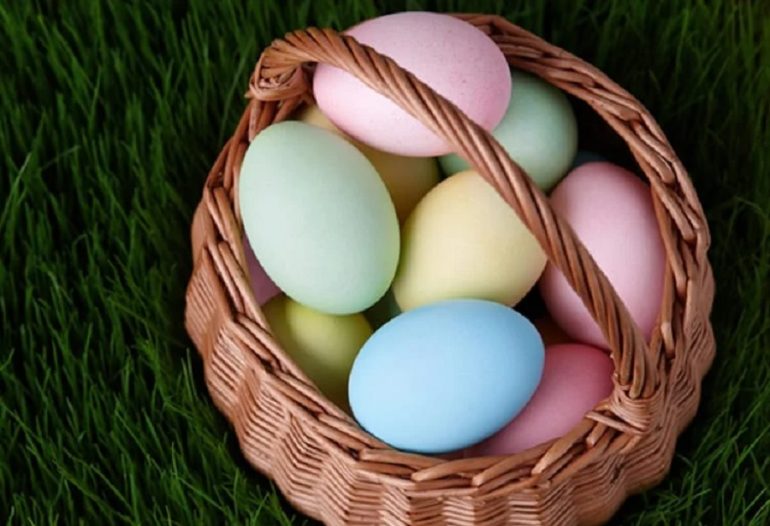
Exploring the Art of Egg Dying: The Science Behind Food Coloring
The Chemistry of Colors: How Food Dyes Work
The vibrant colors we associate with colored Easter eggs come from a fascinating intersection of art and science, primarily rooted in chemistry. Food dyes are typically derived from two main sources: synthetic compounds or natural ingredients. Synthetic food colorings, such as Red 40 or Yellow 5, are produced through chemical processes that isolate color molecules and often amplify their intensity. They provide consistent, bright hues that appeal to the eye and are widely used in confectionery and culinary applications. On the other hand, natural dyes—extracted from plants, fruits, and vegetables—tend to yield softer and more varied shades. In the context of egg dyeing, these natural options include common ingredients like beet juice for reds, turmeric for yellows, and red cabbage for blues.
The science behind how these dyes adhere to the eggshell is equally compelling. Eggshells are primarily composed of calcium carbonate, which is porous and allows for the penetration of dye molecules. When a dye is applied to a boiled egg, the acidic nature of the dye solution helps the dye molecules bond to the eggshell. The acidity found in vinegar or lemon juice not only enhances the vibrancy of synthetic dyes but is also crucial in the natural dyeing process, as it modifies the pH level of the solution to maximize color absorption. Understanding this chemistry can greatly enhance the durability and vibrancy of your colored eggs, allowing for beautiful designs that are both aesthetically pleasing and scientifically grounded.
The Best Types of Food Coloring for Egg Decoration
When it comes to choosing food coloring for egg decoration, various options cater to different preferences and techniques. Easter eggs with food coloring can be created using different types of dyes, each offering unique results. Liquid food colorings are the most accessible and commonly found in household kitchens. They deliver a straightforward application, allowing for fluid mixing and dilution to achieve lighter shades. On the other hand, gel or paste food colorings are favored by many crafters for their concentration; a little goes a long way, providing more vibrant results without the need for excessive amounts of liquid. They are especially effective for the resist dyeing techniques where thicker layers of dye can create intricate patterns. Beyond traditional choices, there are powdered food colorings that offer another layer of versatility. These are especially suited for creating various shades through a “dry dye” process, which can yield stunning results when applied directly onto damp eggs.
For an eco-conscious holiday, many artisans are turning to natural colorants, which not only add unique hues but are aligned with sustainable and healthy crafting practices. Choose from beet juice, turmeric, paprika, or even coffee, depending on the color palette desired. Understanding these different types of food colorings equips egg decorators with the tools necessary to unleash their creativity and personalize unique, festive designs that contribute to the holiday spirit of Easter.
Eco-Friendly Alternatives: Natural Dyeing Techniques
As consumer awareness around sustainability grows, so does the interest in eco-friendly alternatives to traditional egg dyeing methods. Natural dyeing techniques are rooted in history and tradition, often inspiring a deeper connection to the environment and cultural practices. Various everyday ingredients can serve as dye sources, transforming kitchen scraps into colorful, biodegradable art. For instance, yellow onion skins yield bright golden-hued dyes, while red cabbage creates shades of blue and purple depending on the acidity of the dye bath. The beauty of these natural methods lies in their unpredictability: a single ingredient can produce a variety of shades depending on the dyeing process, temperature, and duration. To engage in natural dyeing, one merely needs to simmer the chosen ingredient in water (enough to cover the materials and your eggs), creating a dye bath.
For deeper shades, consider adding a few tablespoons of vinegar, either during simmering or soaking the eggs in the dye bath. The resulting hues can be customized further by modifying the ingredients—adding salt to adjust shades or layering colors to achieve a multi-tonal effect. Not only does this creative approach produce art pieces that are visually stunning, but it also promotes a message of environmental consciousness by minimizing waste and utilizing readily available, non-toxic materials. As more people look to incorporate eco-friendly practices into their holiday traditions, the art of natural dyeing becomes an inviting alternative celebrated by families worldwide.
Innovative Techniques for Unique Egg Designs
Resist Dyeing: Creating Patterns with Wax or Tape
Resist dyeing is a stunning technique that allows for the creation of intricate patterns on eggshells, making them art pieces in their own right. By applying a resist material—be it wax, tape, or liquid latex—crafters can effectively shield sections of the eggshell from absorbing dye, leading to unique color contrasts. Beeswax, melted and applied with a small brush, is a traditional choice that can outline designs or create filled patterns. Once the wax has cooled, color can be added over the entire egg without affecting the waxed areas. After dyeing, the final step involves gently removing the wax by heating, achieving beautiful, crisp designs against vibrant backgrounds.
For those seeking a modern twist, painter’s tape can be used for geometric shapes or stripes, allowing for perfect, straight lines. As the colors transform, the crisscrossing areas remain uncolored, providing a sharp contrast that can be quite professional in appearance. This technique allows even novice decorators to achieve exceptional results, resulting in easter eggs that are not just festive but truly artful and unique, sparking admiration from all who view them.
Marbling Magic: Achieving Stunning Tie-Dye Effects
The art of marbling opens up a world of dynamic and colorful options for Easter egg decoration, creating surprisingly beautiful and organic designs reminiscent of the popular tie-dye technique. This method emphasizes the blending and swirling of colors, producing captivating results that can’t be replicated. To achieve this effect, start with a base dye that has a thicker consistency, often achieved by excessively mixing powdered food colorings with water or vinegar. Once your dye is prepared, drop globules of different colors onto the surface of a container filled with water.
A wooden skewer or toothpick can be used to swirl the colors together, but it’s crucial not to over-mix, as you want distinct shades within the pattern. Gently dip the egg into the water and lift it out slowly, watching as the dye adheres in fascinating patterns, reminiscent of abstract art. Allow the egg to dry completely before revealing your artistic masterpiece. This technique is eye-catching and operates under the ethos of serendipity, combining colors unexpectedly while providing a hands-on approach that is enjoyable for both children and adults. The result? Breathtaking eggs with depth and character that carry a celebratory essence.
Ombre Elegance: Mastering Gradient Coloring
The ombre effect has taken the home decor and fashion world by storm, and this trend extends beautifully into Easter egg coloring. Ombre eggs possess a soft, gradient transition from one color to another, allowing decorators to explore color blending seamlessly. To achieve this effect on eggs, it’s ideal to use multiple shades of the same color or select complementary colors for an attractive transition. Begin the process by preparing several dye solutions, each with varying intensities of color—from light to dark. Dip the egg in the lightest dye first, gradually holding it longer in darker solutions as you move from the bottom of the egg to the top. This dip-dyeing process encourages the colors to blend naturally, resulting in a stunning ombre effect that adds sophistication and elegance.
You can enhance this technique by rotating the egg as it dries, allowing for a soft diffusion of colors, yielding an ethereal and artistic quality. Ideal for those looking to elevate their egg decorating game, the ombre technique embodies effortless beauty and can be personalized to match individual color schemes, providing a striking visual impact.
Themed Easter Egg Inspirations: Crafting Stories with Colors
Cultural Significance: Eggs in Traditions Around the World
Throughout history, eggs have held various symbolic meanings across cultures, signifying fertility, rebirth, and new beginnings. During the Easter season, eggs have transcended religious connotations, finding representation in myriad global traditions that celebrate life and renewal. In many Eastern European countries, the decorating of eggs is an art form; for instance, Ukrainian Pysanky eggs, decorated using a wax-resist process with intricate patterns and symbolic motifs, celebrate the arrival of spring and signify well-wishes. The colors used also possess deeper meanings: red symbolizes the blood of Christ, while green reflects hope and renewal. In contrast, in Greece, red-dyed eggs, known as “krasokouloura,” are a staple of the Easter feast, symbolizing the blood of Christ and the redemption of humanity.
This act of gifting decorated eggs signifies wishes of health and happiness. Beyond Europe, countries such as Mexico and Central America incorporate vibrant colors and intricate designs, bringing local folklore and festive spirit to the holiday meal. This rich tapestry of cultural significance transforms a simple act of coloring eggs into a beautiful storytelling tradition, making egg decorating not merely about aesthetics but also about connection to shared practices and community.
Pop Culture Icons: Fun Egg Designs Inspired by Movies
In an era where pop culture holds tremendous sway, it is no surprise that themed egg decorating has embraced characters and themes from beloved movies and television shows. From classic films to contemporary favorites, the possibilities are endless. Imagine creating a simple yet iconic egg designed to mimic the look of Mr. Potato Head from the Toy Story series through strategic use of dye, paint, and embellishments. Characters from animated classics like Disney’s Frozen can inspire vibrant winter-themed eggs adhering to Elsa or Anna’s aesthetics, incorporating blues, whites, and sparkly accents.
Furthermore, for fans of sci-fi and fantasy, how about designing eggs inspired by characters from Star Wars or Harry Potter? Utilizing darker palettes infused with gold accents can recreate magical symbols and characters—the Force is strong in these fine egg decorations. Collaborating with kids, you can brainstorm designs and engage with their favorite media, fostering creativity that allows for personal touches from bright colors to character motifs. This fun and interactive process allows families to bond over their shared interests while indulging in the celebratory spirit of Easter.
Nature’s Palette: Creating Floral and Fauna-Inspired Eggs
Inspired by the beauty of the natural world, flower and animal designs on Easter eggs evoke a sense of serene authenticity. These whimsical creations can draw on botanical elements or the vibrant colors of various animals, creating eye-catching and sophisticated designs. For floral-inspired eggs, decorators may opt to print or paint delicate patterns that emulate daisies, tulips, or sunflowers. Using a combination of natural dyeing techniques with vibrant liquid colorings can transform an ordinary egg into a canvas celebrating spring’s splendor.
Techniques such as decoupage using pressed flowers can yield sophisticated results that speak to a love for nature. Animal motifs can also breathe life into egg designs, with each creature representing aspects of spring. Think soft pastel colors inspired by the hues of chicks or rabbits, achieving an innocent charm associated with Easter. Using stamps or freehand painting, decorators can create fun and engaging animal faces on the eggs. This approach, focusing on both flora and fauna, provides a mindful crafting experience that resonates with the natural cycles of rebirth and growth occurring during the spring season, presenting both beauty and a reminder of the interconnectedness of life.
After the Eggs Are Colored: Creative Displays and Activities
Showcasing Your Creations: Eye-Catching Egg Displays
Once your eggs have been colored with splashes of creativity and love, the next step is to showcase these artful creations in a manner that captivates joy and celebrates the holiday. Thoughtful displays elevate the decorated eggs from mere items on a table to stunning visual centerpieces. Consider using simple materials like trays, baskets, or clear glass vases filled with straw or crinkled tissue paper to create a rustic presentation.
For added drama, embellish your display using greenery, such as small ferns, tulips, or hyacinths, that reinforce that fresh spring feeling. Eggs can also be arranged on whimsical stands that resemble nests, bringing delightful charm to the overall presentation. Should you desire a more modern aesthetic, consider creating a multi-level arrangement using cake stands or pedestals. This elevates the eggs and allows for better visibility, presenting your decorated goods as works of art. Visitors and family members alike will delight in your creativity and passion, making your holiday gathering visually remarkable.
Fun Games and Activities: Making the Most of Colored Eggs
Easter egg decorating need not end with the creative process; it can segue into a plethora of engaging activities for family and friends. One of the time-honored games is the classic Easter egg hunt, which involves cleverly hiding the beautifully colored eggs both indoors and outdoors, encouraging children and adults to cheerfully search high and low. Sprinkling extra excitement into these hunts can be achieved by inserting small treats or clues inside plastic eggs, adding layers of intrigue. Beyond hunting, decorate eggs in various contests, testing participants on creativity and execution. Assign different categories, such as “Most Creative” or “Best Traditional Design,” allowing friendly competition among siblings or friends.
Additionally, for an engaging learning experience, incorporate puzzles or trivia contests using colored eggs, where answering questions correctly permits participants to keep a decorated egg. This not only reinforces the reason for the celebration but also cements familial bonding through laughter and shared memories, creating worthwhile experiences that transcend the holiday itself.
Preserving Your Masterpieces: Tips for Long-Lasting Decor
After all the hard work and dedication put into creating beautifully colored eggs, it’s essential to consider how to preserve such delicate masterpieces. Storing decorated eggs requires caution to prevent damage and prolong their aesthetic appeal. Ensure that all eggs are fully dry before handling or storing them; moisture can lead to spoilage, especially when using real eggs. A gentle mist of clear acrylic sealer can create a protective layer that shields colors and designs from fading or cracking over time. For storing eggs, consider utilizing an egg carton or a specialized egg holder that cushions them against breakage. Implementing layers of bubble wrap and tissue paper can further absorb potential impacts while maintaining the vibrancy of the colors.
Alternatively, for those seeking longer-term display options, consider opting for faux eggs that can be colored similarly but endure beyond a single season. These artificial creations allow you to cherish and showcase your artistic endeavors year after year, inviting future generations to appreciate the traditions and skills cultivated in a joyful creative spirit. Ultimately, with thoughtful care and creativity, the cherished memories of Easter egg crafting can last far longer than just a day of celebration.
FAQ
Question: Can I use eggs from different sources for coloring? – Yes, you can use store-bought, farm-fresh, or even pre-boiled eggs. Just ensure the shells are intact to achieve the best coloring results.
Question: How can I make my own natural dyes at home? – You can create natural dyes using common kitchen items like onion skins for yellow, red cabbage for blue, or beet juice for red. Simply simmer these ingredients in water and strain them before use.
Question: Are there any vegan alternatives for egg dyeing? – Yes! You can use plant-based sources for dyeing, such as using turmeric for yellow or spinach for green. Additionally, using faux eggs allows for a vegan approach to decoration.
Question: How can I make the dyeing process safer for children? – To ensure safety, supervise children closely when using food coloring and other materials. Consider using non-toxic dyes, minimizing spills, and opting for washable markers for drawing on eggs.
Question: What techniques can I use to write or draw on eggshells? – You can use food-safe markers, wax resist techniques, or even stickers to create designs or write messages on eggs before dyeing. This adds personal elements to your egg decorations.
Question: How do I clean up after dyeing eggs? – To clean up, immediately wipe off any spills with damp paper towels. Protect surfaces with newspaper or plastic wrap during the dyeing process to make cleanup easier.
Question: Can decorated eggs be eaten after dyeing? – While decorated eggs can be eaten, it’s essential to use food-safe dyes and ensure that the eggs are stored properly to avoid spoilage.
Question: What are some unique ways to display my colored eggs? – You can display your colored eggs in decorative baskets, glass cloches, or on decorative plates with added greenery or flowers to enhance the festive atmosphere of your Easter décor.
Useful Resources
- com
- TeacherVision
- Science Buddies
- National Geographic
- Khan Academy
- Artists Network
- Scholastic
- S. Food and Drug Administration (FDA)